
Every foreign buyer eyeing a beachfront villa in Costa Rica faces the same fork in the road: buy the whole property and carry the whole burden, or buy a share and split it eight ways. In Guanacaste, where median list prices in the region sit above $1.3 million according to Coldwell Banker Costa Rica's December 2025 market report, that decision determines not just your capital outlay but your entire ownership experience. Here is how the two models compare on the numbers, the law, and the lifestyle.
What the Market Data Says
The current Guanacaste market favors buyers who run the numbers. Coldwell Banker's report shows median sold prices near $707,000, down 16% year over year, with inventory up more than 21% and homes averaging nearly a year on market. Sellers are negotiating. At the same time, rental demand stays healthy: AirDNA data for nearby Tamarindo shows short term rentals averaging roughly 48% occupancy at daily rates around $343, with sharp peaks through the dry season.
For a sole owner, those numbers mean a large capital commitment into a softening price environment, offset by rental income only if the property is actively managed. For a co-owner, the same numbers work differently: a fraction of the capital buys exposure to the same appreciation and the same rental demand, with management already built in.
Why Playa Negra Suits the Co-Ownership Model
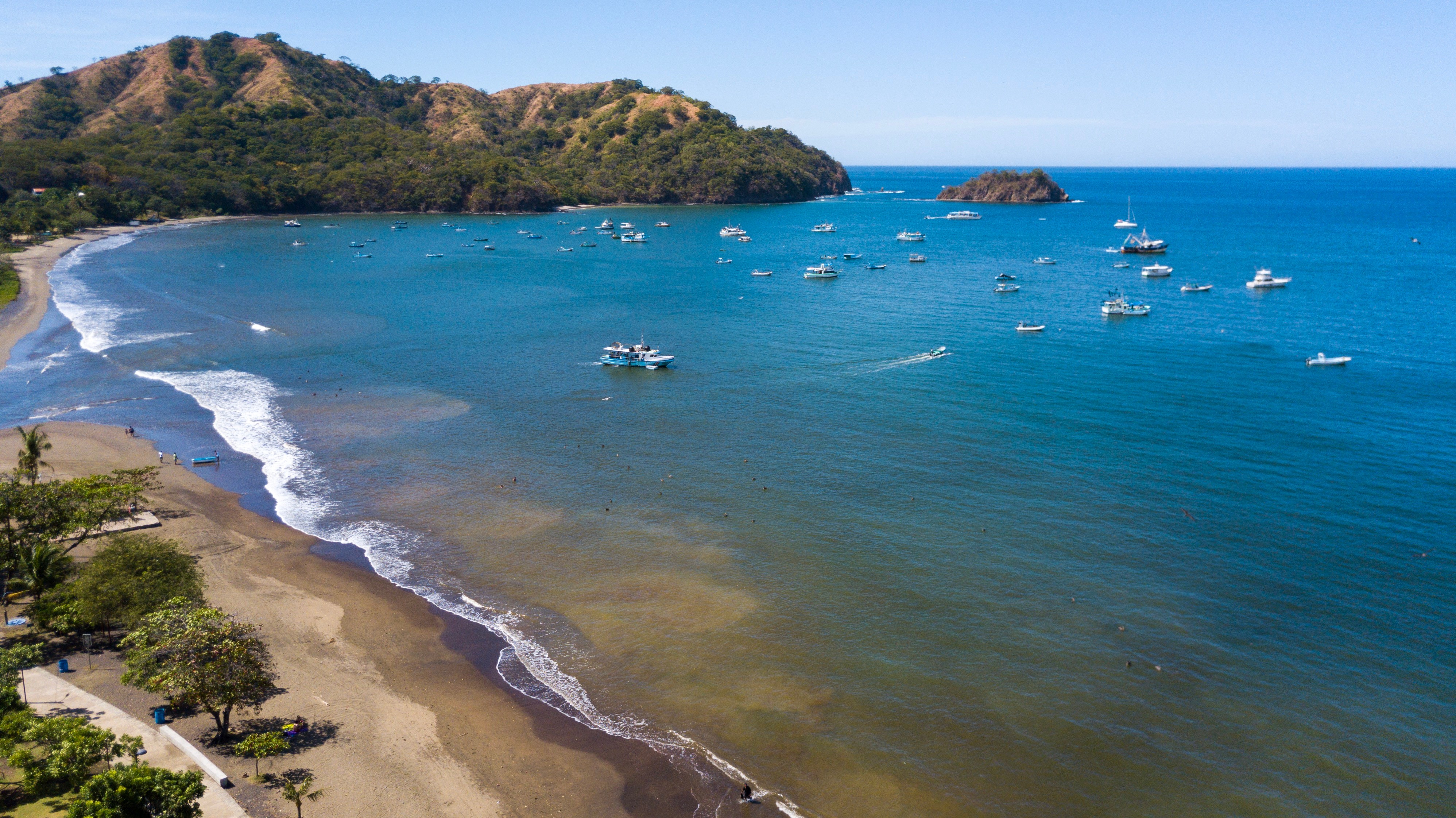
Within the Veintisiete de Abril district of Santa Cruz, Playa Negra is known internationally for its consistent right hand reef break and its black sand beaches, with Playa Avellanas a short drive up the coast. Unlike the high density development in Tamarindo, the area operates under rural zoning that limits commercial expansion and keeps inventory scarce.
That scarcity cuts both ways. For a sole buyer, limited inventory means fewer options and premium pricing. For a co-ownership buyer, it means access to a protected micro market that would otherwise demand a seven figure commitment, with controlled development supporting long term value preservation.
How the 1/8 Structure Works
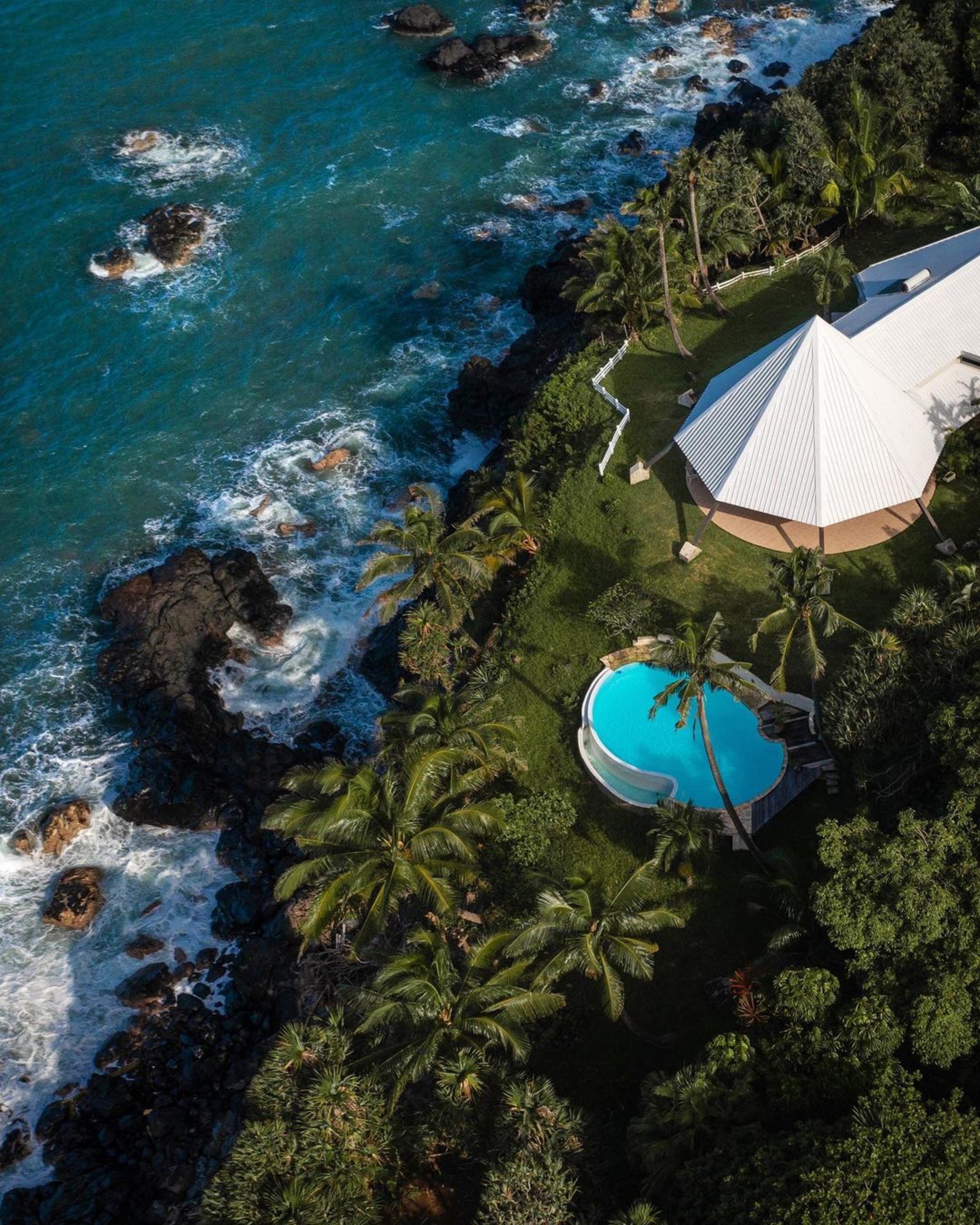
A 1/8 co-ownership share is deeded equity in the property, not a timeshare. Each owner is guaranteed a minimum of 42 days of usage per year, allocated through a proprietary snake draft scheduling app that distributes peak dates equitably and removes the friction of informal property sharing. A turnkey management program carries the maintenance, staffing, and guest operations that a sole owner would otherwise manage from another country. Owners who choose to monetize unused weeks do so through automated rental management, with income offsetting their share of carrying costs. For the full financial breakdown, review the co-ownership costs and fees.
The Legal Reality for Foreign Buyers
Costa Rica gives foreign buyers the same ownership rights as citizens for titled property, and the distinction that matters most on the coast is title type. Under the Maritime Zone Law, the first 50 meters from the high tide line are public, and the next 150 meters are concession land, where foreign ownership is capped at 49% unless the buyer has held residency for five years. Titled property sits outside those restrictions entirely, which is why verifying title classification is the single most important step of due diligence on any Costa Rican beachfront purchase.
Black Coast Estates homes are titled properties, and each 1/8 share is held through a U.S. based LLC structured for streamlined ownership and transfer. That structure gives foreign co-owners deeded equity with the same security as any titled landowner in the country, plus a familiar legal vehicle for estate planning and resale. When a co-owner sells, the transfer follows standard Costa Rican property procedures through a notary attorney.
The Black Coast Estates team manages the entire lifecycle of the investment, from legal structuring and title verification through ongoing property management, with specific transaction experience in the Playa Negra market. If co-ownership fits your investment criteria, current 1/8 availability in Playa Negra is limited and worth reviewing early.
What is the legal framework for foreign property ownership in Costa Rica? Foreign buyers hold the same ownership rights as Costa Rican citizens for titled property. Concession land within the Maritime Zone is the exception, where foreign ownership is capped at 49% unless the buyer has held legal residency for five years. Black Coast Estates homes are titled properties, with each 1/8 share held through a U.S. based LLC, so those concession restrictions do not apply.
How does the cost structure of 1/8 co-ownership work? A 1/8 co-ownership share requires a single capital investment that purchases real equity in the property, not a timeshare. The purchase price covers the asset, while a fixed monthly fee covers all ongoing carrying costs including property taxes, insurance, maintenance, and staffing. This structure divides the total operational burden by eight, making luxury beachfront ownership highly efficient.
What are the investment returns for short term rentals in Guanacaste? Returns depend on location, property quality, and the weeks rented. AirDNA data for Tamarindo shows average occupancy around 48% at daily rates near $343, with luxury properties in prime locations outperforming those averages. Income from renting unused weeks through the turnkey program offsets carrying costs and can produce a net positive return depending on the season.
How is usage scheduled among co-owners? Usage is allocated through a proprietary snake draft scheduling app. This system guarantees each 1/8 owner a minimum of 42 days of usage per year. The app ensures equitable distribution of high demand dates and holidays across all owners without the conflicts common in informal property sharing arrangements.
Are there capital gains taxes on property sales in Costa Rica? Costa Rica does not impose a capital gains tax on the sale of a primary residence. For investment properties or second homes, a capital gains tax of 15% applies to the profit realized from the sale. Property taxes remain low, assessed annually at approximately 0.25% of the registered property value.
Can I sell my 1/8 share if my circumstances change? Yes. Your share is a deeded real estate asset, so you can resell it on the open market like any titled property. Black Coast Estates can assist with listing and transferring the share, and the transfer follows standard Costa Rican property procedures through a notary attorney.