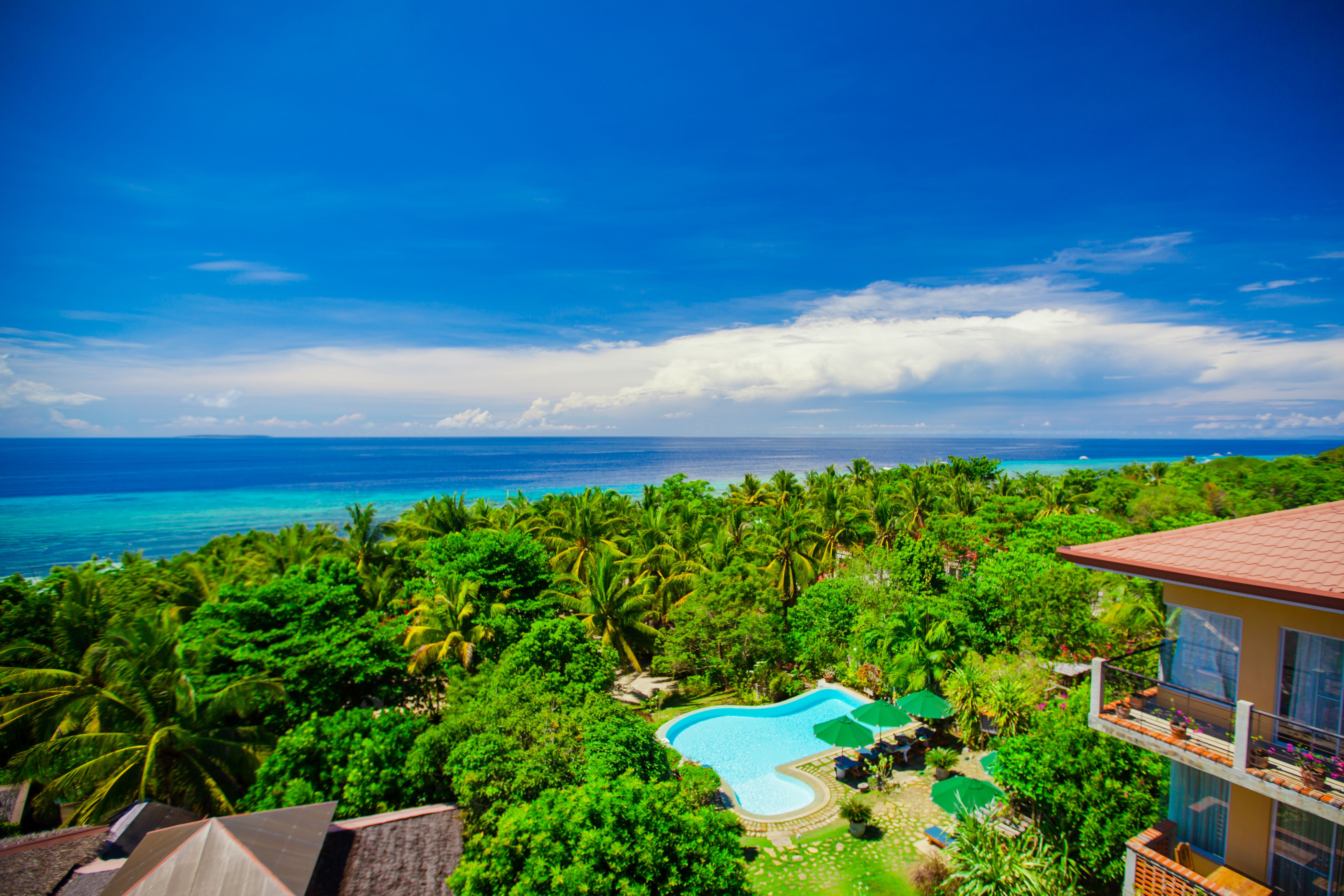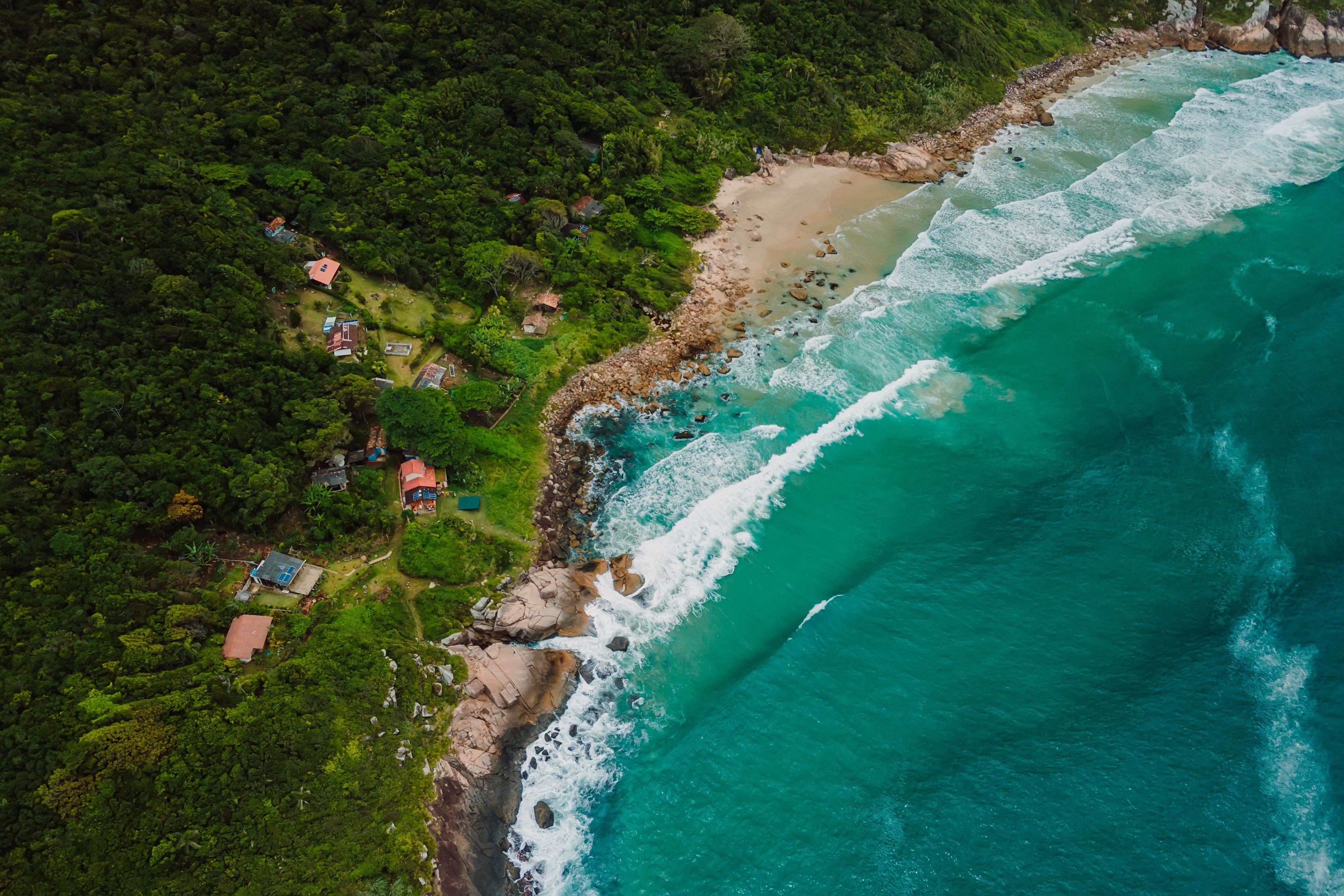


The Gold Coast of Costa Rica represents the premier beachfront region in the Guanacaste province. Stretching along the northern Pacific shoreline and down the Nicoya Peninsula, this area has transformed into a highly sought-after real estate market, defined by its tropical dry forest climate and consistent year-round warmth.
The name "Gold Coast" does not originate from historical mining. Instead, it reflects the immense value of the real estate, the golden sunsets over the Pacific Ocean, and the high quality of life that attracts international buyers. The region experiences significantly less rainfall than the rest of Costa Rica, creating an ideal environment for year-round living.
The Geography of the Gold Coast
The region begins near the Nicaraguan border and extends south along the Nicoya Peninsula. Access is straightforward via the Daniel Oduber International Airport in Liberia, which offers direct flights from major North American cities. This infrastructure allows property owners to travel from their home country to their beachfront residence on the same day.
Key destinations include Tamarindo, Playa Negra, Playa Avellanas, and Nosara. Tamarindo serves as the commercial hub, offering international cuisine and beginner-friendly surf breaks. Further south, Playa Negra provides a more exclusive experience. Known for its famous reef surf break and dark sand shores, Playa Negra offers privacy and direct access to heavy waves. Playa Avellanas attracts advanced surfers with its challenging swells. Nosara, located further down the peninsula, is globally recognized for its wellness retreats and sits within the Nicoya Peninsula Blue Zone.
Market Dynamics and Investment Potential
The real estate market in Guanacaste demonstrates strong and sustained demand, with foreign buyer confidence increasing in 2026. The short-term rental market anchors that demand: AirDNA's Tamarindo market data shows more than 3,400 active rentals averaging around $341 per night at roughly 48 percent occupancy, and professionally managed coastal properties in prime Guanacaste locations produce 5 to 8 percent net yields, according to Coldwell Banker Costa Rica market data.
The co-ownership model offers a strategic entry point into this competitive market. With prime beachfront properties commanding premium prices, fractional ownership allows buyers to acquire real equity in luxury homes at a more accessible price point. This model provides the benefits of ownership without the full financial commitment or management responsibilities of a traditional purchase.
Understanding the Maritime Zone
Any conversation about beachfront ownership in Costa Rica starts with the Maritime Zone. Under Law 6043, the first 200 meters measured inland from the high tide line make up the Maritime Terrestrial Zone. The first 50 meters are public land that cannot be privately owned, and the next 150 meters are typically held under concession, where foreign ownership faces restrictions on majority control. Titled properties located outside the zone allow direct fee-simple foreign ownership with the same rights Costa Rican citizens hold. Confirming which category a property falls into is the first legal question for any coastal buyer, and resources from the Costa Rica Tourism Board and CINDE provide additional background on the country's investment climate.
Your Gateway to the Gold Coast
A typical Black Coast buyer starts with video tours from abroad, flies into Liberia once for a final walkthrough, and closes remotely through a Costa Rican attorney, with their allocated weeks scheduled around the December-to-April dry season before the year begins.
Black Coast Estates provides an exclusive entry into the Playa Negra market. Our master-planned gated community offers a structured 1/8 co-ownership model, granting buyers real equity and a minimum of 42 days of usage per year. This turnkey program includes property maintenance, staffing, and professional property management for owners looking to monetize unused weeks. The team brings extensive transaction experience and specific knowledge of the Playa Negra market to every client interaction, guiding buyers through the Guanacaste landscape from first tour to closing.
Explore available listings, request the ownership guide, or contact us for a private consultation to secure your share in Playa Negra's premier coastal community.