
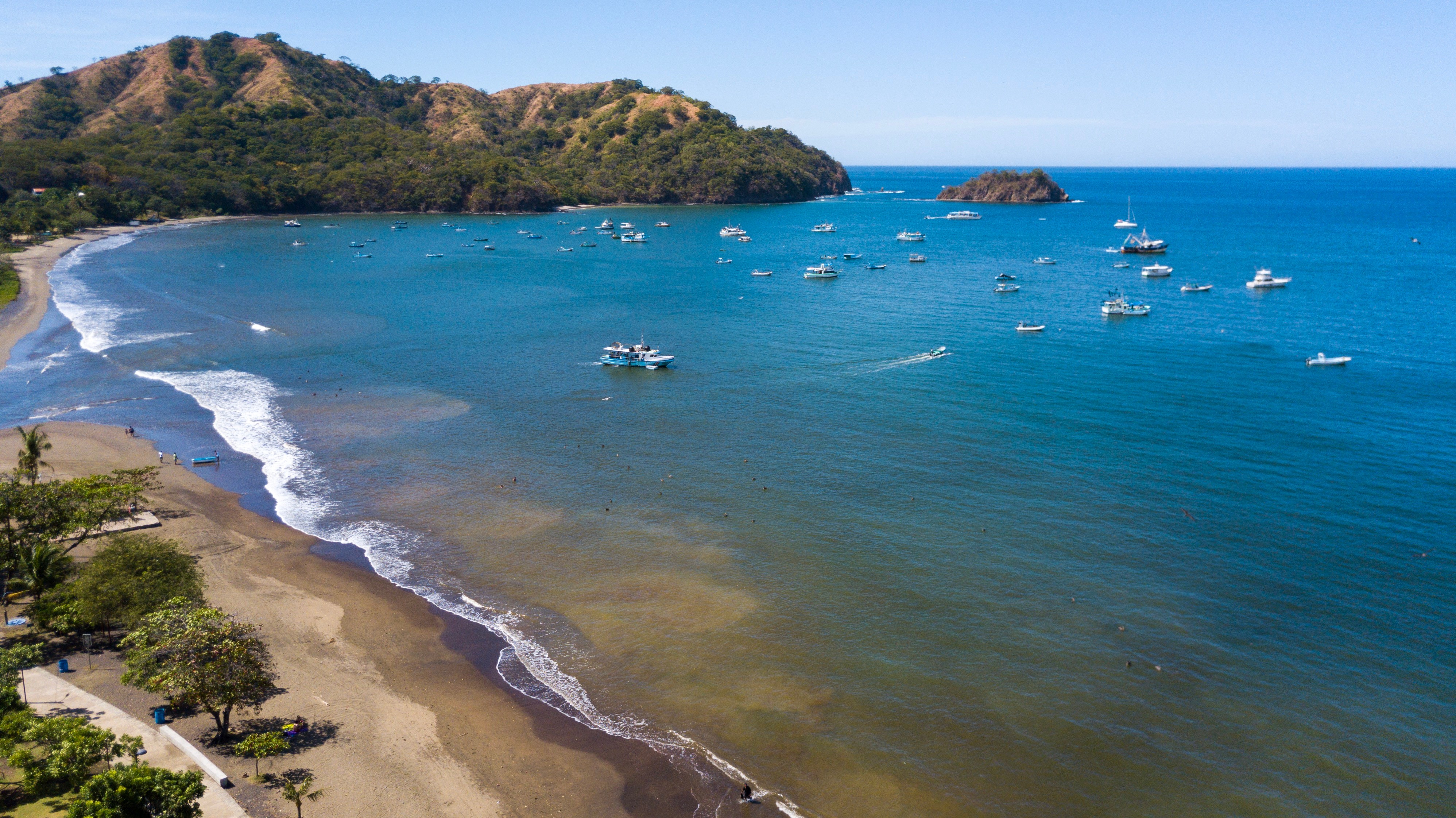
Most foreign buyers shopping Costa Rica beachfront property make the same mistake: they treat the entire coast as one market. It is not. Pricing, zoning, rental performance, and ownership rules vary dramatically from one coastal zone to the next, and the buyers who do well are the ones who understand which region matches their goals before they ever board a plane. This breakdown covers the prime coastal zones for luxury buyers in 2026, with a focus on Guanacaste and the strategic enclave of Playa Negra.
Guanacaste: The Epicenter of Coastal Luxury
According to Coldwell Banker Costa Rica's December 2025 market report, the median list price in the Guanacaste and Nicoya region sits above $1.3 million, while median sold prices came in near $707,000, down 16% year over year. Inventory rose more than 21% over the same period, and homes are averaging nearly a year on market. For buyers, that combination of softer sold prices, growing inventory, and longer timelines translates into real negotiation leverage.
For investors, the rental fundamentals add to the case. AirDNA data for nearby Tamarindo shows short term rentals averaging roughly 48% occupancy at an average daily rate around $343, with demand peaking sharply in the dry season. Well positioned luxury properties outperform those averages, giving income focused buyers a credible path to offsetting carrying costs.
Playa Negra: A Strategic Coastal Enclave
Located 75 minutes from Liberia International Airport, Playa Negra occupies a distinct segment of the Guanacaste market. Anchored by an internationally recognized reef surf break, this boutique beach town attracts a specialized demographic of surf and nature enthusiasts. Unlike the high density development in Tamarindo, Playa Negra operates under rural zoning designations that limit commercial expansion and maintain lower density standards.
Those regulations work in an owner's favor. By preventing overdevelopment, the zoning protects long term property values and keeps inventory scarce. The market here consists primarily of single family homes and small scale vacation rentals, and well positioned properties have shown consistent appreciation over the past decade. For buyers evaluating Playa Negra real estate, controlled growth means premium properties tend to hold their status.
The Financial Case for Co Ownership
The traditional model of buying a vacation home outright is evolving. A second home often sits vacant for months while still demanding year round maintenance, staffing, and management. The structured 1/8 co ownership model offers a practical alternative: buyers purchase real deeded equity in a luxury property at a fraction of the total cost, not a timeshare.
Where a premium beachfront home in Guanacaste can often require well over $1 million in capital, a 1/8 share offers a far more accessible entry point while guaranteeing a minimum of 42 days of usage per year. Managed through a turnkey program, owners can also monetize unused weeks, turning a lifestyle asset into an income producing investment.
Market Signals and Future Outlook
The 2026 outlook is defined by stability and professionalization. Foreign buyer confidence remains high, supported by a stable political environment and property ownership rights equal to those of citizens. Demand is shifting toward turnkey luxury properties that arrive fully furnished, rental ready, and professionally managed.
Buyers are also bringing more rigor to the process, relying on verified market data, comparable sales, and historical appreciation trends rather than speculation. For a deeper look at the fundamentals, explore the Costa Rica real estate overview.
As the market matures, working with professionals who understand the nuances of the Guanacaste region matters more, not less. The Black Coast Estates team manages the entire lifecycle of the investment, from legal structuring to ongoing property management, with specific transaction experience in the Playa Negra market. If co ownership fits your investment criteria, current 1/8 availability in Playa Negra is limited and worth reviewing early.
How much does a co ownership share cost in Costa Rica?
The entry price for a co ownership share is based on the property's total value. In Guanacaste, where median list prices for the region exceed $1.3 million and premium beachfront homes command well above that, a 1/8 co ownership share provides proportional deeded equity at a fraction of that outlay, while securing 42 days of annual usage and splitting operating costs among eight owners.
Can foreigners legally own beachfront property in Costa Rica?
Foreigners have the same property rights as citizens for titled land, known as "fee simple" ownership. However, the Maritime Zone Law regulates land within 200 meters of the high tide line. The first 50 meters are public, and the next 150 meters are concession land, which restricts foreign ownership to 49% unless the buyer has been a resident for over five years.
What are the expected rental yields for Costa Rica vacation homes?
Vacation rentals in prime Guanacaste locations, including Playa Negra, benefit from strong dry season demand and healthy nightly rates. Actual yields vary based on location, property quality, the weeks rented, and management efficiency, and income from renting unused weeks can meaningfully offset annual carrying costs.
Are there restrictions on short-term rentals in Costa Rica?
While foreign owners can legally rent out their properties, they must comply with local tax regulations. Rental income is considered Costa Rican-source income and is subject to a 15% tax on 85% of gross income for non-residents, resulting in an effective rate of 12.75%. Owners must also register with the tax authority and collect the 13% value-added tax (IVA) on short-term stays.
How does the scheduling work for a 1/8 ownership share?
Usage is managed through a proprietary snake draft scheduling application. This system ensures fair and equitable distribution of peak season dates among all eight owners, guaranteeing each party their minimum 42 days.
Can I sell my 1/8 share if my circumstances change?
Yes. Your share is a deeded real estate asset, so you can resell it on the open market like any titled property. Black Coast Estates can assist with listing and transferring the share, and the established community and management program make shares more liquid than a comparable sole ownership exit.