
Foreign buyers face a complex landscape when entering the Latin American property market. Costa Rica offers strong legal protections for expatriates, but the system assumes you will conduct rigorous independent verification. Without proper due diligence, investors expose themselves to financial loss, legal disputes, and prolonged administrative delays. Understanding these vulnerabilities is the first step toward a secure acquisition.
The median housing price in Costa Rica currently sits at approximately $220,000, while luxury coastal properties average $330,000 and often reach between $1.2 million and $2 million in prime areas like Tamarindo. This significant capital outlay demands a sophisticated approach to risk management. Partnering with a professional team ensures your investment remains secure while generating consistent returns.
1. The Concession Land Confusion
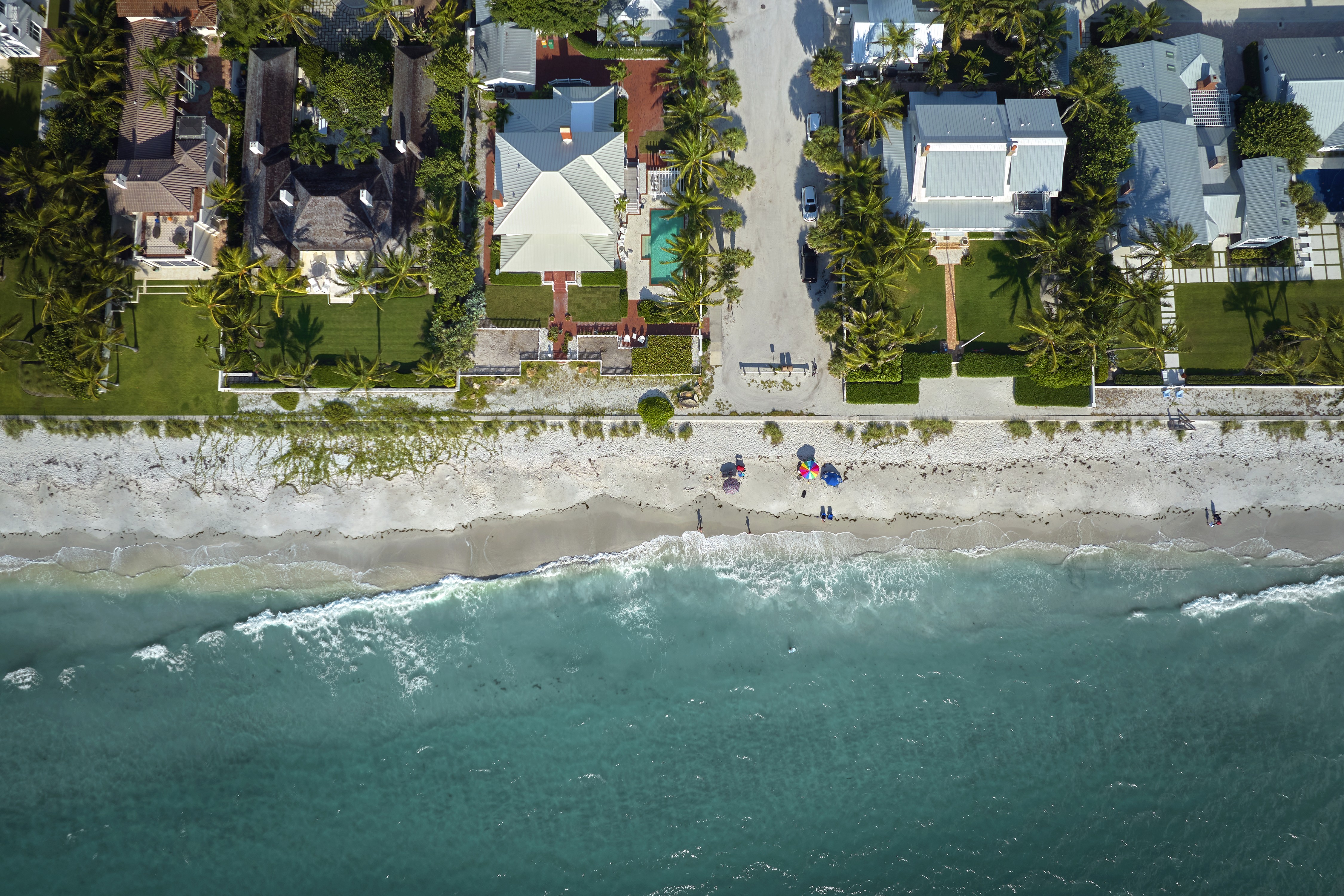
The most significant risk foreign buyers face involves the Maritime Terrestrial Zone. Costa Rican law dictates that the first 50 meters from the high tide line are public property. The subsequent 150 meters constitute concession land, where foreigners are legally restricted to holding a minority stake of up to 49 percent. Many buyers mistakenly believe they are acquiring full titled ownership when they are actually purchasing a restricted concession.
This misunderstanding leads to complex legal battles and potential loss of the asset. Black Coast Estates navigates this restriction by securing fully titled beachfront and near beach properties outside these restricted zones or structuring compliant corporate ownership models when necessary. Our Playa Negra homes are meticulously vetted to ensure clear, unrestricted title.
2. Undisclosed Preventive Annotations
The National Registry records all mortgages and easements, but many buyers fail to check for preventive annotations. An anotacion preventiva is a legal claim registered during ongoing court proceedings. These claims do not appear as formal mortgages but will block your ability to transfer the title. Buyers who rely on basic title checks often discover these encumbrances only after transferring funds.
A complete certification of encumbrances is mandatory for every transaction. We mandate exhaustive legal reviews through top tier Costa Rican notaries before any property enters our co-ownership portfolio. This institutional level scrutiny eliminates the risk of hidden legal claims disrupting your investment.
3. Fraudulent Documentation
Organized fraud rings occasionally target properties owned by absentee foreigners. These operations utilize fake deeds or forged powers of attorney to impersonate the legitimate owner and sell the property illegally. The risk increases when buyers skip the formal notarial process or use unfamiliar legal representatives recommended by the seller.
Protecting against documentation fraud requires fresh certified reports pulled directly from the National Registry immediately prior to closing. We maintain physical presence in the Guanacaste region and employ stringent identity verification protocols for every transaction. Our active management of the property ensures the asset remains secure year round.
4. Unregulated Agency Practices
Costa Rica lacks a formal licensing requirement for real estate agents. This absence of oversight means anyone can broker a transaction, increasing the risk of misrepresentation and lack of accountability. Buyers frequently encounter inflated pricing, undisclosed property defects, and agents who prioritize rapid commissions over long term client success.
Working with an established firm provides essential accountability. We apply rigorous valuation metrics based on actual market data rather than speculative pricing. When you explore our available homes, you receive transparent financial models and accurate revenue projections based on historical performance in the local market.
5. Complex Property Management Logistics
Purchasing the property is only the initial hurdle. Managing a luxury home from abroad introduces significant operational risks. Finding reliable maintenance staff, handling short term rental logistics, and ensuring compliance with local tax obligations require constant attention. Poor management quickly degrades the asset value and diminishes rental income potential.
Data from 2026 indicates that Costa Rica short term rentals generate an average of $1,700 monthly, with premium beach villas earning upwards of $6,000 during the high season. Capturing this revenue requires professional oversight. Our fractional ownership model provides comprehensive property management, ensuring your asset is maintained to luxury standards while maximizing occupancy rates.
Secure Your Costa Rica Investment
Navigating the Costa Rica real estate market requires specialized knowledge and localized expertise. The Black Coast Estates team has closed transactions across the Playa Negra and Guanacaste market and can walk you through current co-ownership availability, share pricing by property, and what the buying process looks like from first inquiry to registered title. Reach out when you are ready to move past research
What is the cost structure for co-ownership in Costa Rica?
Co-ownership allows buyers to purchase a fractional share of a luxury property, significantly lowering the entry cost. Shares typically start around $100,000 to $150,000 depending on the property value, which includes the purchase price, legal fees, and initial reserve funds. Ongoing monthly operating expenses, including maintenance, property management, and taxes, are divided equally among the owners, providing a predictable and highly efficient cost structure.
What is the legal framework for foreign property ownership in Costa Rica?
Foreigners have the same constitutional rights as citizens to purchase and own fully titled property in Costa Rica. The primary exception is the Maritime Terrestrial Zone, which restricts foreign ownership within 200 meters of the high tide line. Transactions are formalized through a Notary Public and recorded in the National Registry to guarantee legal ownership and protect the asset.
What is the rental income potential for a luxury property in Guanacaste?
Premium beach villas in the Guanacaste region command high daily rates, often exceeding $350 per night. Well managed properties can generate $5,000 to $8,000 per month during the peak season from December through March. Annual occupancy rates average around 37 percent nationally, but professionally managed coastal properties consistently outperform this baseline, delivering strong passive income to owners.
How do you verify a property title in Costa Rica?
Title verification requires pulling a fresh certified report from the Registro Inmobiliario within the National Registry. This document confirms the registered owner and reveals any mortgages, liens, easements, or preventive annotations. A qualified Costa Rican attorney must review this certification to ensure the title is clean and the property can be legally transferred without encumbrances.
Are there specific tax obligations for foreign property owners?
Property owners must pay an annual municipal property tax, typically 0.25 percent of the registered value. Luxury properties exceeding a specific value threshold are also subject to a solidarity tax. If the property generates rental income, owners must register with the tax authority (Hacienda) and collect the 13 percent Value Added Tax on short term rentals, necessitating professional accounting support.