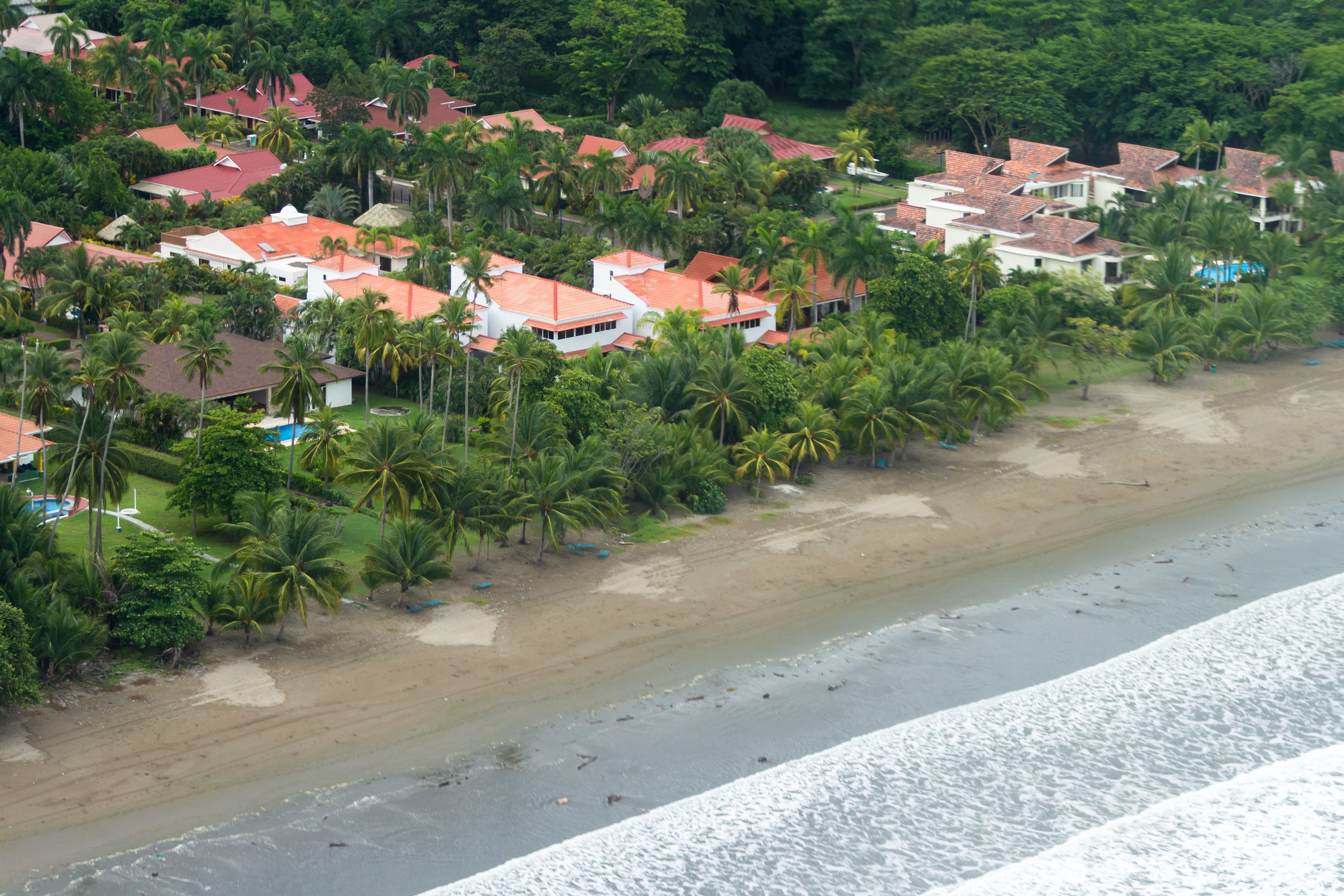
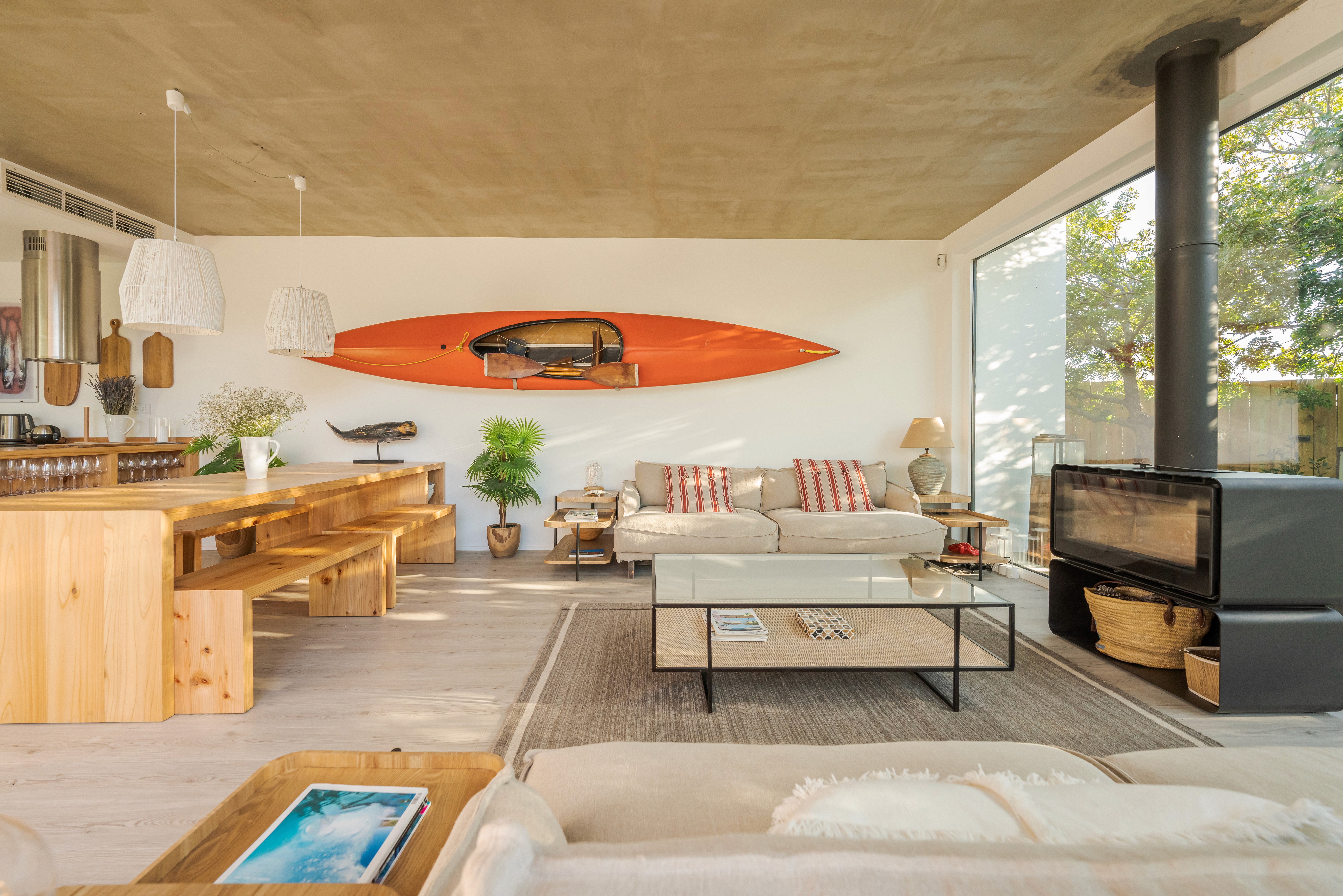
Investing in vacation rentals offers a direct path to passive income, particularly in markets with strong tourism demand. Costa Rica stands out as a premier investment destination, supported by a stable economy and consistent foreign buyer interest. Traditional vacation home ownership requires significant capital and hands-on management. Fractional ownership eliminates these barriers by reducing entry costs and removing management responsibilities.
The Guanacaste region demonstrates the market's strength. The median home price reached $650,000 in early 2026, with property appreciation averaging 75% over the past decade when adjusted for inflation. This growth reflects enduring appeal among both lifestyle buyers and investors. Foreign demand remains strong for coastal properties with strong rental potential. Beachfront properties in premium locations command premium valuations, with some areas reaching $8,000 to $15,000 per square meter.
The Financial Advantage of Fractional Ownership
Full ownership of a vacation home ties up capital in an asset that sits empty most of the year. Fractional ownership allows you to purchase a deeded share, typically one eighth, for a fraction of the total cost. This approach provides real equity that appreciates over time while dramatically reducing your financial burden.
Instead of paying the full price for a premium beachfront home, you enter the market at an accessible price point. You split operating costs equally with other owners, including utilities, maintenance, insurance, and reserves. When you are not using your allocated time, professional management handles rentals and generates passive income without landlord responsibilities. Each fractional share typically includes at least 42 days of annual usage, giving you genuine vacation time while the property generates income during your absence.
Maximizing Rental Yields in Guanacaste
Location determines rental success. Guanacaste leads as the premier market for luxury vacation rentals in Costa Rica. Short term rentals in popular Guanacaste towns maintain strong occupancy rates, often exceeding the national average of 37%.
Playa Negra combines excellent surf breaks with a growing luxury real estate market. Single family homes start around $350,000, while premium properties command higher valuations. Fractional ownership provides access to these high tier properties at lower entry costs. The boutique nature of Playa Negra attracts affluent travelers seeking authentic coastal experiences, ensuring steady rental demand. This location specific advantage translates directly into higher occupancy rates and stronger revenue performance compared to more saturated beach markets.
Professional Management Drives Passive Income
True passive income requires removing yourself from daily operations. Managing a vacation rental from abroad involves coordinating staff, handling guest inquiries, and overseeing maintenance. These tasks quickly consume time and erode investment benefits.
The co-ownership model includes comprehensive property management. A dedicated team handles marketing, guest coordination, and maintenance. This professional oversight maximizes rental revenue while protecting asset value. You enjoy financial returns and your scheduled time without operational burdens.
Strategic Investment in Costa Rica Real Estate
Costa Rica provides a secure environment for foreign investment. Foreigners share the same property rights as citizens when purchasing titled land. The legal framework is transparent and straightforward with experienced professionals. No residency requirement exists for property ownership, making the process accessible to international investors.
Fractional ownership provides a strategic entry point into this thriving market. You gain exposure to Costa Rica real estate appreciation and luxury vacation rental cash flow, while mitigating risk through shared costs. This approach aligns with modern investment strategies that prioritize diversification and hassle free ownership. The shared ownership model also means your capital requirement is significantly lower than traditional real estate investment, allowing you to maintain liquidity for other opportunities.
The Black Coast Estates team has closed transactions across the Playa Negra and Guanacaste market and can walk you through current co-ownership availability, share pricing by property, and what the buying process looks like from first inquiry to registered title. Reach out when you are ready to move past research.
What are the closing costs when buying property in Costa Rica?
Closing costs in Costa Rica typically range from 3.5% to 4.5% of the purchase price, averaging approximately 4%. This includes the 1.5% property transfer tax, notary and legal fees, and public registry stamps. For a $600,000 property the total closing cost at the 4% average is approximately $24,000. When purchasing a fractional share the closing costs apply proportionally to your specific equity stake, making the out-of-pocket closing expense significantly lower than whole-home ownership.
Can foreigners own beachfront property in Costa Rica?
Foreigners have the same property ownership rights as Costa Rican citizens for fully titled land. The Maritime Zone Law 6043 governs the first 200 meters from the high tide line. The initial 50 meters is public domain and cannot be privately owned by anyone. The next 150 meters is concession land managed by local municipalities. Foreigners cannot hold majority ownership of a concession-holding corporation, meaning any concession land acquisition requires a Costa Rican corporation structured with majority local shareholding. Titled property that sits outside this 200-meter zone has no such restrictions and can be owned outright in a foreign buyer's own name.
How much passive income can a vacation rental generate?
Rental income depends heavily on location and property quality. In prime Guanacaste markets, well managed luxury properties can achieve annual net returns of 4% to 6.5%. Fractional ownership allows you to earn a proportional share of this income based on the time the property is rented rather than used personally.
What are the ongoing costs of fractional ownership?
Owners share all operating expenses equally based on their ownership percentage. These costs include property taxes, insurance, utilities, property management fees, and contributions to a reserve fund for future maintenance. This shared structure makes holding a luxury property significantly more affordable than sole ownership.
How do I sell my fractional share in the future?
Your fractional share is a deeded real estate asset held through a US LLC. You retain full rights to sell or transfer your share at any time. The property management company often assists in marketing the share to prospective buyers, and you benefit from any appreciation in the property value since your initial purchase.