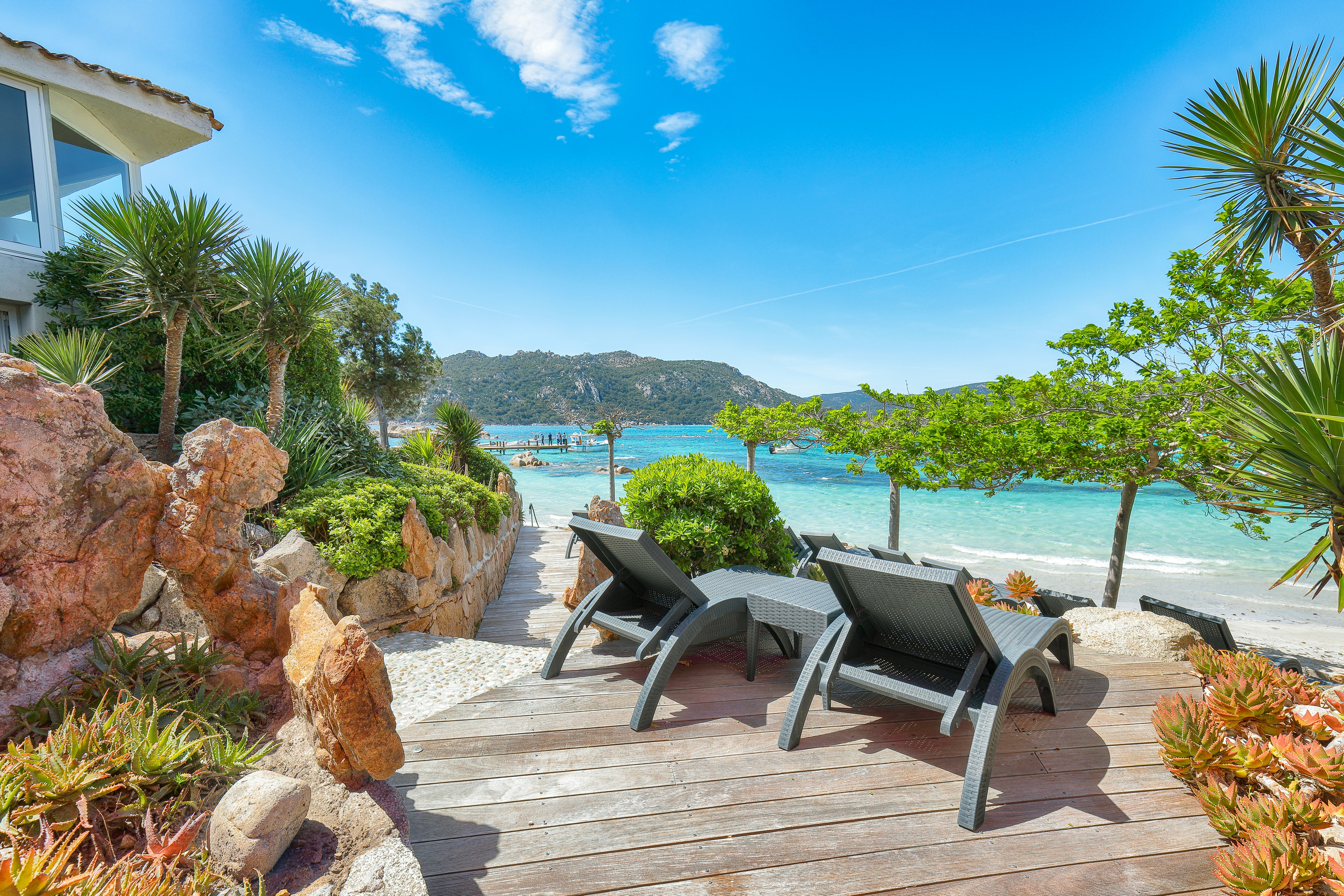

Costa Rica's Pacific coast commands the attention of global real estate investors. For those targeting the Guanacaste and Puntarenas regions, the decision often narrows to two distinct markets: Nosara and Santa Teresa. Both locations offer strong surf culture and a high quality of life, but their real estate dynamics, buyer demographics, and investment returns differ significantly. Understanding these distinctions is critical for making an informed capital allocation in the current market cycle.
Recent data indicates a structural shift in the Costa Rica property market. Following the acceleration after 2020, inventory levels are stabilizing, creating a more favorable environment for buyers. Data from Coldwell Banker Costa Rica and global migration reports indicate a 660% year over year increase in residency applications, signaling sustained demand from foreign buyers seeking alternative lifestyle destinations. This influx of capital continues to support property values across prime coastal hubs.
Market Pricing and Capital Appreciation
Pricing structures between the two towns reflect their respective development stages. Santa Teresa currently commands premium values, with average listing prices around $1.67 million and a price per square meter reaching $4,251. Land scarcity near the beach in Santa Teresa drives faster capital appreciation. The market here favors luxury villas and eco resorts, where well positioned properties achieve nightly rental rates between $250 and $700 during the high season.
Nosara presents a more mature market profile. Growth has stabilized, and properties hold their value with a slower appreciation trajectory. The topography in Nosara limits the availability of ocean view properties, which inherently caps the premium pricing ceiling compared to Santa Teresa. Investors in Nosara typically see average nightly rental rates ranging from $200 to $500, with occupancy rates holding steady but facing less competitive pressure than the surf driven tourism engine of Santa Teresa.
Buyer Demographics and Lifestyle Factors
The buyer profile in each town dictates the local development focus. Nosara appeals heavily to North American families and retirees. The community prioritizes established international schools and family oriented neighborhoods. Buyers here often seek long term residential stability over aggressive short term rental yields. The strict environmental zoning, including protected turtle nesting areas, preserves the town's character but restricts new development density, as noted by the Costa Rica Tourism Board.
Santa Teresa attracts a highly international demographic of entrepreneurs, digital nomads, and lifestyle investors. The town functions as a culinary hotspot and a center for wellness retreats. The proximity to Playa Hermosa, known for beginner friendly surf breaks, and the more advanced waves at Playa Carmen create a diverse surf economy. This demographic density supports strong short term rental demand and justifies the premium pricing for modern, eco luxury builds.
The Co Ownership Advantage in High Value Markets
As property values in both Nosara and Santa Teresa remain elevated, fractional ownership in Costa Rica provides a strategic entry point. Co ownership models allow investors to access luxury beachfront properties without the full capital commitment of a whole home purchase. This structure distributes the financial exposure and eliminates the operational friction of property management.
For buyers evaluating the Costa Rica market, co ownership offers the ability to secure equity in high demand locations while maintaining liquidity. The Black Coast Estates team facilitates these transactions, leveraging deep expertise in the Guanacaste and Playa Negra markets to identify properties with strong fundamental value.
Strategic Investment Considerations
The choice between Nosara and Santa Teresa depends entirely on the investor's objective. Nosara serves the buyer looking for a stable, family centric community with predictable, albeit slower, equity growth. Santa Teresa fits the investor seeking higher rental yields, faster appreciation, and a vibrant international lifestyle.
For those looking to enter the market with a structured, managed approach, exploring beach homes through a co ownership model provides immediate access to Costa Rica's premium real estate sector.
The Black Coast Estates team has closed transactions across the Playa Negra and Guanacaste market and can walk you through current co-ownership availability, share pricing by property, and what the buying process looks like from first inquiry to registered title. Reach out when you are ready to move past research.
Frequently Asked Questions
What is the legal framework for foreign property ownership in Costa Rica?
Foreigners have the same property ownership rights as Costa Rican citizens. Properties are typically held in fee simple absolute title, recorded in the National Registry. The only exception involves concession land located within the Maritime Zone, the first 200 meters from the high tide line, which requires specific leasing structures rather than direct ownership.
How does the cost structure of co ownership work?
Co ownership divides the property value into equal shares, typically ranging from one eighth to one quarter interests. Buyers pay a proportional share of the purchase price and contribute to a transparent annual operating budget covering maintenance, taxes, insurance, and property management.
What is the expected investment return or rental income potential?
Properties in prime coastal markets like Santa Teresa can generate rental yields between 5% and 8% annually. Well managed luxury villas command high occupancy rates during the December to April high season, driving the majority of the annual revenue.
How do property taxes function in Costa Rica?
Costa Rica maintains a favorable property tax structure. The annual municipal property tax is calculated at 0.25% of the registered property value. Luxury homes exceeding a specific valuation threshold are subject to an additional solidarity tax, typically capped at 0.55%.
Are there financing options available for foreign buyers?
Local bank financing for non residents is challenging to secure and often carries high interest rates. Most foreign transactions are completed in cash or through developer financing. Co ownership provides an alternative by lowering the initial capital requirement, making cash purchases more accessible.