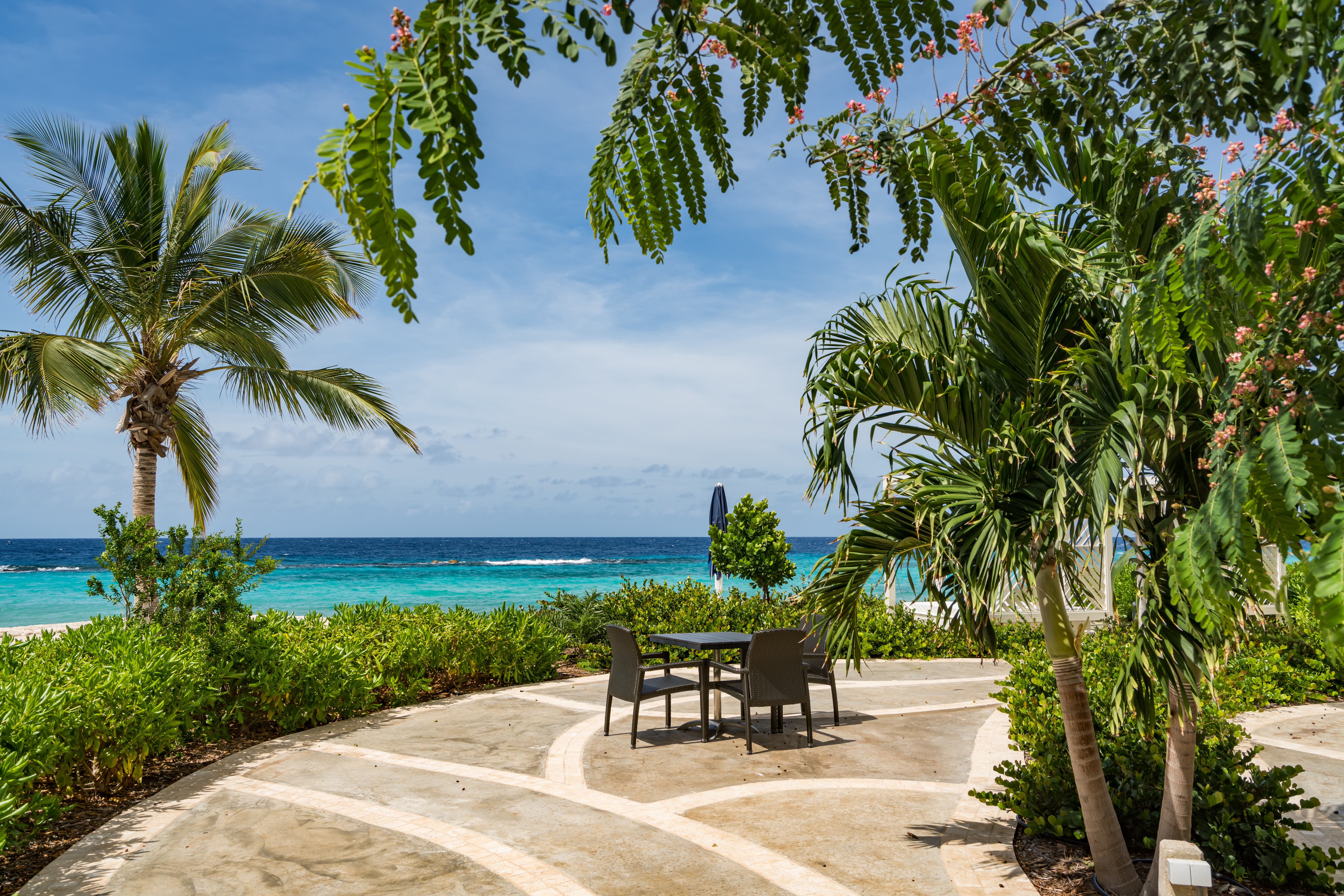
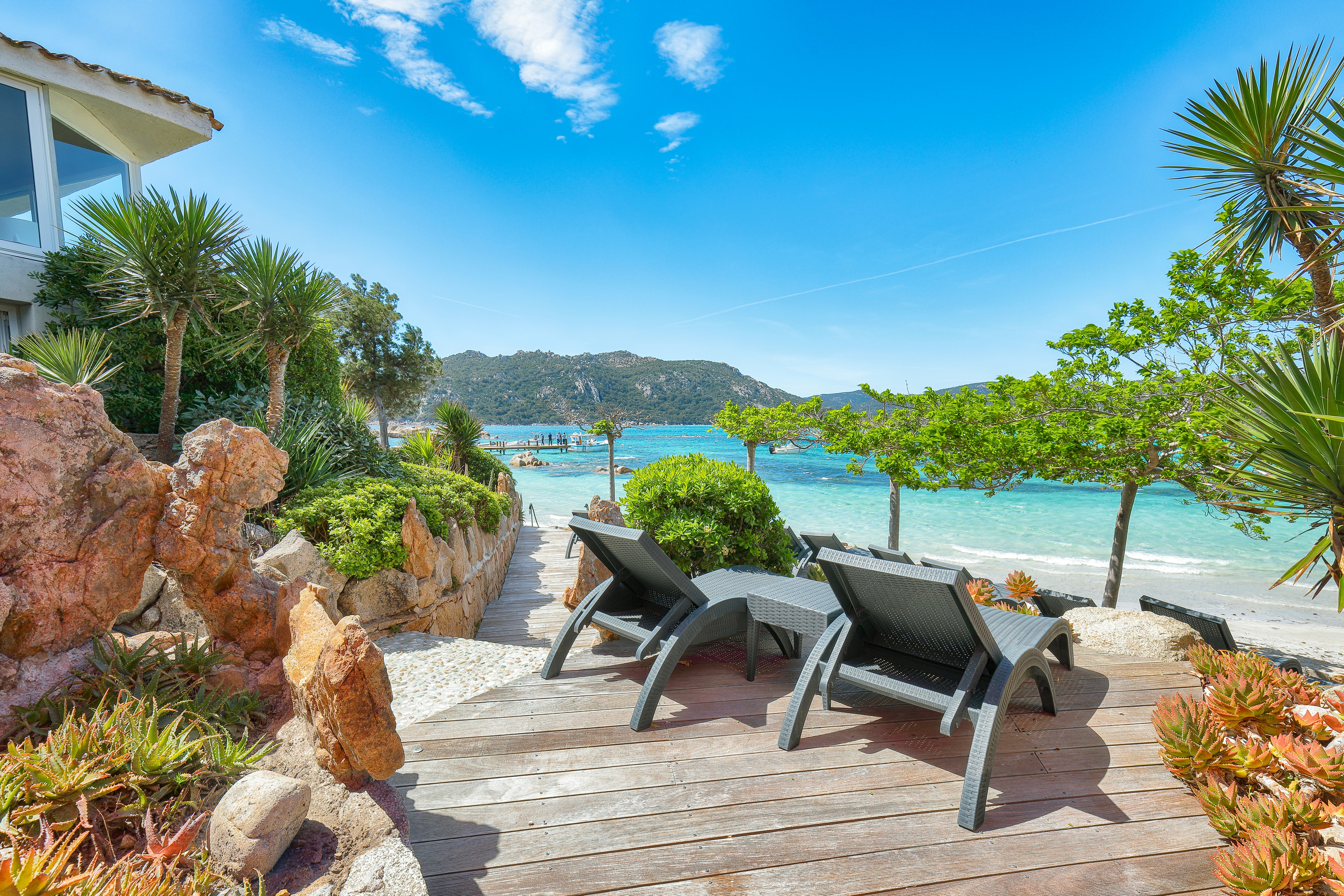
Costa Rica offers compelling opportunities for real estate investors seeking reliable passive income streams. The vacation rental market provides significant returns, particularly in high-demand coastal regions. Foreign buyers recognize the strong value proposition of owning property in a stable, growing tourism market. This guide examines the data driving the vacation rental sector and explains how co-ownership models lower the barrier to entry.
Market Growth and Foreign Buyer Demand
The Costa Rican real estate sector is experiencing substantial growth driven by international interest. The Costa Rican Chamber of Real Estate Brokers reported a 30 percent jump in international property sales in 2024. This influx of capital reflects confidence in the market stability and the potential for consistent rental yields. Vacation rentals now account for 30 percent of all tourist accommodations in the country, up from 20 percent just four years ago, according to the Costa Rican Tourism Board.
Property values are appreciating alongside this rising demand. Nationwide property values increased by 7.8 percent in 2024, supported by foreign investment and lifestyle migration. In the Guanacaste region, property prices in popular towns like Tamarindo have increased by 20 percent over the past two years. This dual benefit of capital appreciation and steady rental income makes the market highly attractive to international buyers.
Rental Yields in Coastal Regions
High occupancy rates and strong nightly tariffs define the coastal vacation rental market. A luxury four-bedroom home in the South Pacific region can generate up to $207,300 in gross annual revenue, commanding average daily rates of $725 with a 79 percent occupancy rate. Even midrange three-bedroom properties average $66,100 annually. Coastal areas across the country average $460 per night with a 56.30 percent year-round occupancy rate.
These figures demonstrate the robust earning potential of well-managed properties. Airbnb returns can reach as high as 12 percent in prime tourist locations. The average occupancy rate remains steady at 61 percent throughout the year, peaking at over 80 percent during the high season in January. Investors who position their properties effectively capture significant passive income while benefiting from long-term asset growth.
The Playa Negra Advantage
Playa Negra, located in the Guanacaste Province on the Nicoya Peninsula, offers a distinct investment profile. Situated approximately 50 minutes south of Tamarindo, this surf town provides world-class waves and volcanic black sand beaches without the heavy commercialization found in established luxury markets. Playa Negra is part of a designated Blue Zone, attracting visitors seeking authentic experiences and wellness-focused travel.
Investors find significant value in Playa Negra compared to the Papagayo Peninsula or Santa Teresa, where entry prices often exceed $1 million. Beachfront condominiums in Playa Negra range from $450,000 to $1,200,000, while ocean view residential lots range from $350,000 to $800,000. This location allows buyers to secure premium real estate with strong rental appeal at a lower initial capital outlay.
Lowering Barriers with Co-Ownership
Acquiring oceanfront property requires substantial capital, but alternative models provide accessible entry points. The co-ownership model allows investors to purchase equity shares in luxury homes. With co-ownership pricing starting at $150,000, buyers access premium real estate at a fraction of the full ownership cost.
This structure provides deeded real estate ownership and access to fully furnished, professionally managed properties. Co-owners share the operating expenses and enjoy hassle-free passive income generation. The management team handles all rental logistics, maintenance, and guest services, ensuring a truly passive investment experience. You can view our available listings to see the caliber of properties offered through this model.
Secure Your Costa Rica Investment
The Black Coast Estates team brings extensive transaction experience and deep expertise in the Guanacaste and Playa Negra markets. We guide investors through every step of the acquisition process, ensuring secure and profitable investments. Ready to explore co-ownership opportunities in Playa Negra? Schedule a private consultation with the Black Coast Estates team to review current share pricing and available properties.
What is the legal framework for foreign property ownership in Costa Rica?
Foreigners hold the same property ownership rights as Costa Rican citizens, guaranteed by the national constitution. Non-residents can purchase titled property outright in their own name without any residency requirements. The Maritime Zone Law 6043 restricts direct foreign ownership of beachfront property within 200 meters of the high-tide line. To acquire oceanfront real estate in this zone, foreign buyers must establish a Costa Rican corporation with at least two local shareholders to hold the title, ensuring legal compliance while preserving full ownership benefits.
What are the investment returns or rental income potential?
Investors in high-demand coastal areas often see returns reaching 12 percent annually. A luxury four-bedroom vacation rental can generate over $200,000 in gross annual revenue, with average daily rates exceeding $700 and occupancy rates near 80 percent. Even midrange properties consistently generate between $60,000 and $100,000 annually.
What are the typical costs associated with acquiring property?
Buyers should budget an additional 3.5 percent to 4.5 percent of the purchase price for closing costs, averaging 4 percent. This total includes the standard 1.5 percent property transfer tax, notary fees, legal representation, and escrow services. For a $600,000 property, closing costs typically amount to approximately $24,000 at the 4 percent average rate.
How does the co-ownership cost structure work?
Co-ownership lowers the entry price for luxury real estate, with shares starting at $150,000 rather than the $1 million or more required for whole ownership in prime areas. Owners hold a deeded equity share in the property and split all ongoing maintenance, property management, and utility costs proportionally, maximizing net rental income.
How do occupancy rates fluctuate throughout the year?
The national average occupancy rate for vacation rentals is 61 percent year-round. During the peak high season in January and February, occupancy frequently exceeds 80 percent. Even during the lower demand months, properties maintain steady bookings, ensuring consistent revenue generation across all four quarters.