Article

Introduction
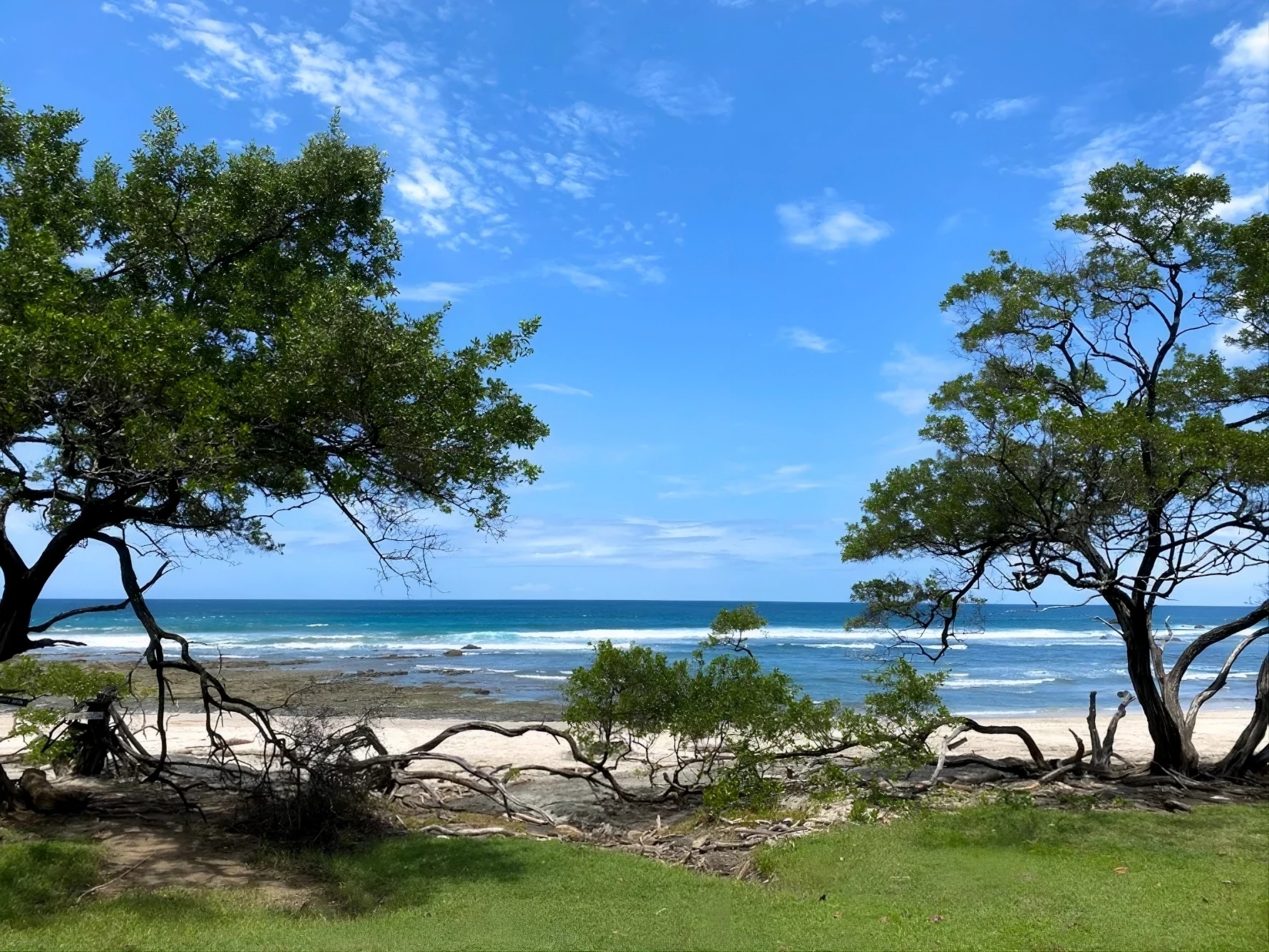
I spent a year visiting beach towns across Costa Rica looking for the right place to build. I visited towns at every stage of development, from quiet fishing villages to full-blown tourism corridors, trying to understand which one had the right ingredients for the next decade.
Playa Negra stood out immediately. It has world-class surf and natural beauty, but without the crowds and commercialization that have changed so many coastal towns. That balance is what made it the right place for Black Coast Estates.
Easy to Reach, Hard to Leave
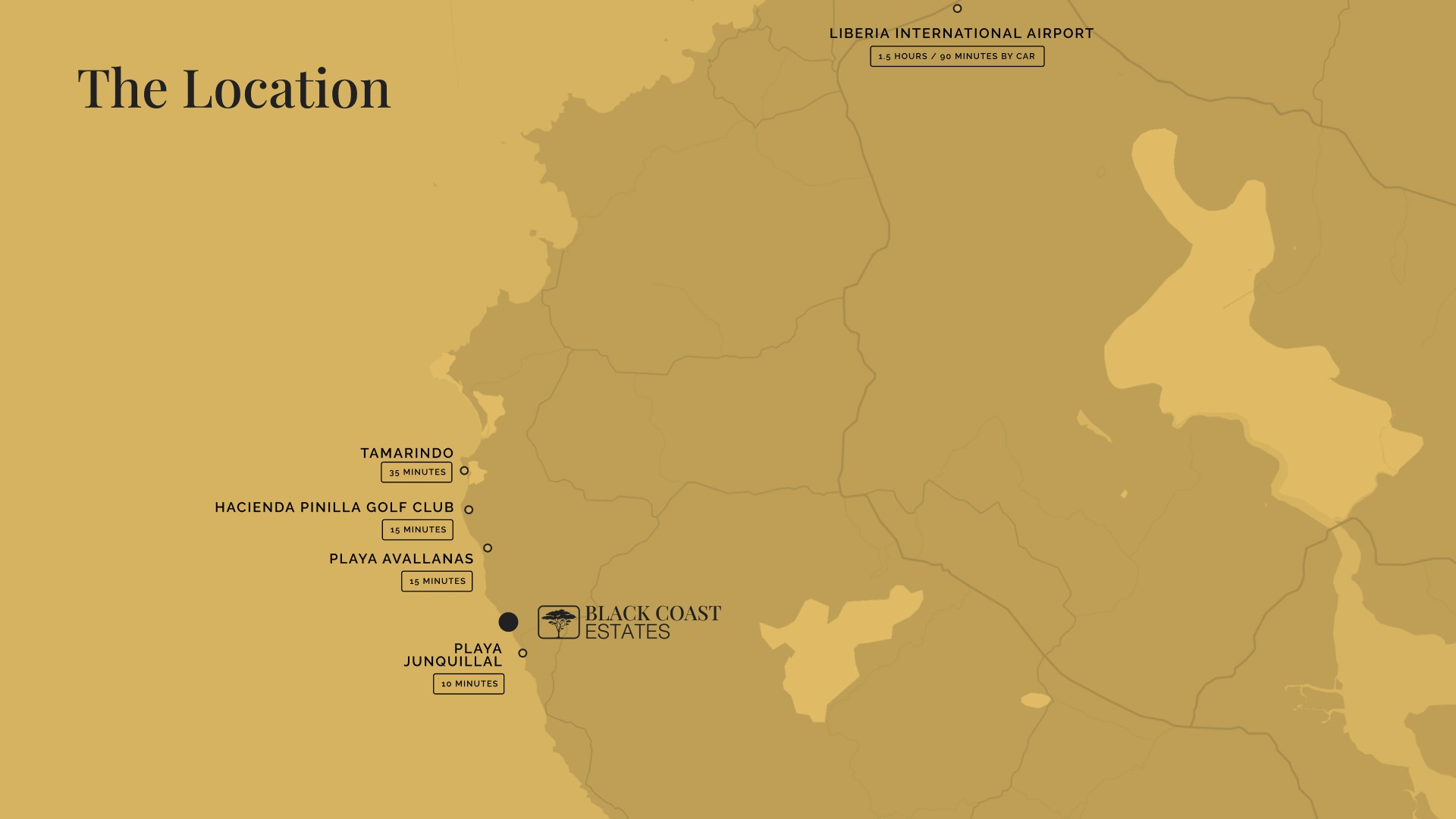
One of Playa Negra's quiet advantages is how easy it is to get to. The Liberia International Airport puts you roughly an hour and fifteen minutes from your front door at Black Coast Estates. The route is straightforward; the large majority of the drive is well-paved, with only the final stretch trading asphalt for a scenic rural road that signals you're almost there.
Accessibility is hard to get in many areas of Guanacaste. The ease of access was a big deal for us. It means weekend visitors from the Central Valley, families arriving on afternoon flights, and homeowners who split time between countries can all reach the property without the difficult terrain or punishing multi-hour transfers that define more remote corners of the coast.
A Beach That Keeps Its Character
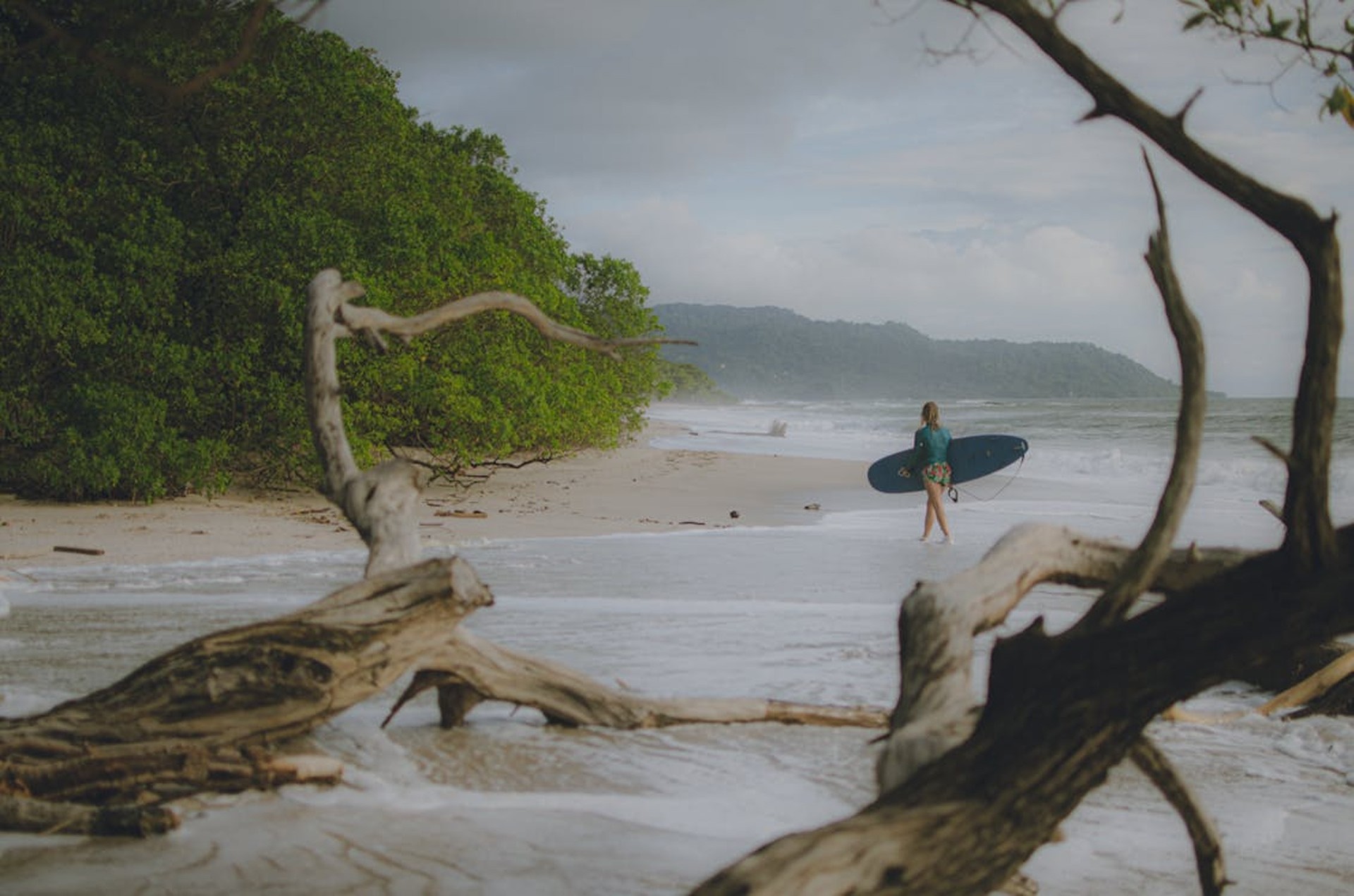
Playa Negra's shoreline is intimate: a dark-sand crescent framed by rocky outcrops and reef, beloved by surfers for its consistent break. It is not a sprawling white-sand strand that invites mega-resort development or cruise-ship excursions. And that is precisely the point.
Towns like Tamarindo offer an amazing experience for certain travelers, but what was once a sleepy surf village is now a bustling tourism corridor, packed with souvenir shops, walking vendors, and traffic that would feel more at home in San Jose.
Playa Negra's beach footprint is its natural protection against that path. The physical layout doesn't support mass tourism, which means the community built around it will stay what it is today: quiet, local, and uncommercialized.
World-Class Dining, Flip-Flop Dress Code

For a town this size, the food scene has no business being this good. From Black Coast Estates, you can walk to restaurants that would hold their own in any major city. You will never need a car to get there.
Open-air restaurants line the main road into town, offering everything from wood-fired pizzas and fresh-caught ceviche to craft cocktails and farm-to-table Costa Rican cuisine.
Think Israeli-inspired bowls, artisan bakeries with sourdough made from local grains, and spots where the catch of the day was still in the ocean that morning (honestly, make sure to get the catch of the day fish tacos at Jalapeno).
Close Enough to the Growth. Far Enough to Keep the Character
Just a short drive south, Playa Avellanas is experiencing its own moment, attracting new restaurants, boutique hotels, and a growing community of expats and digital nomads. That is bringing tangible benefits: better infrastructure, more services, a larger talent pool for hospitality, and a rising international profile for the entire stretch of coast.
Black Coast Estates sits in the sweet spot of that equation. Close enough to benefit from the amenities and energy that nearby growth brings, but rooted in a town whose physical layout ensures it will never be swallowed by it. Better roads, more dining variety, a stronger local economy. The upside of growth without the part where a place loses what made it worth visiting in the first place.

