Article
Introduction
Artificial surf parks are popping up everywhere. The technology is very cool, and you can get a taste of surfing in places hours from any real coastline, and for a lot of people, that's the only way they'll ever try the sport. As someone who's been looking into learning to surf, I've thought more than once that a park like this could be a great training ground.
But the more I've investigated how they actually work, the more they remind me of the broader problem with how recreation gets commercialized: the crowd ends up owning the experience more than you do. Even owners at residential surf parks face tight limits on when they can actually use the wave. It's the natural consequence of thousands of people trying to share a finite space.
And that's not a surf-park problem. It's happening to the real ones too.
The Overtourism Squeeze
Roughly 1.5 billion people traveled internationally last year. About 80% of travelers end up concentrated in just 10% of the world's destinations. The result shows up in the tourist-to-resident ratios: Orlando hosts 36 tourists for every local, Dubrovnik 32, Amsterdam 29, Paris 22.
Maya Bay in Thailand and Boracay in the Philippines have both had to close periodically just to let the ecosystem recover. Florence banned new short-term rentals in its historic center after monthly rents jumped 41%. Santorini now caps how many cruise passengers can step off the boat in a single day. Three-quarters of surveyed travelers say they now worry about overtourism, and more than half say they're actively planning around it.
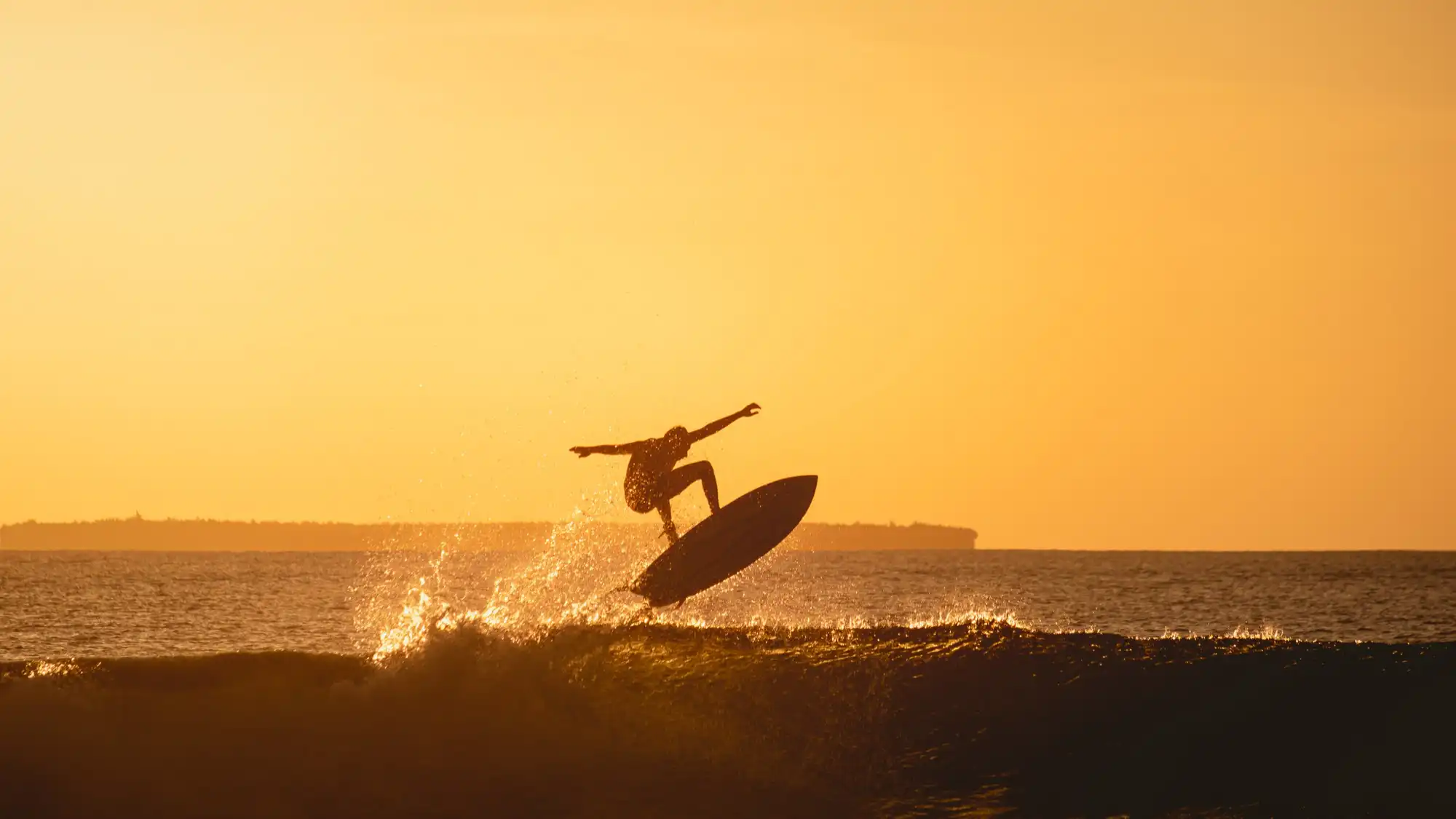
Surf breaks are no different. The famous ones (Uluwatu, Pipeline, Trestles) are crowded by 6 AM. If your dream is paddling out to an empty lineup, you’ll need to find new places.
Why Playa Negra
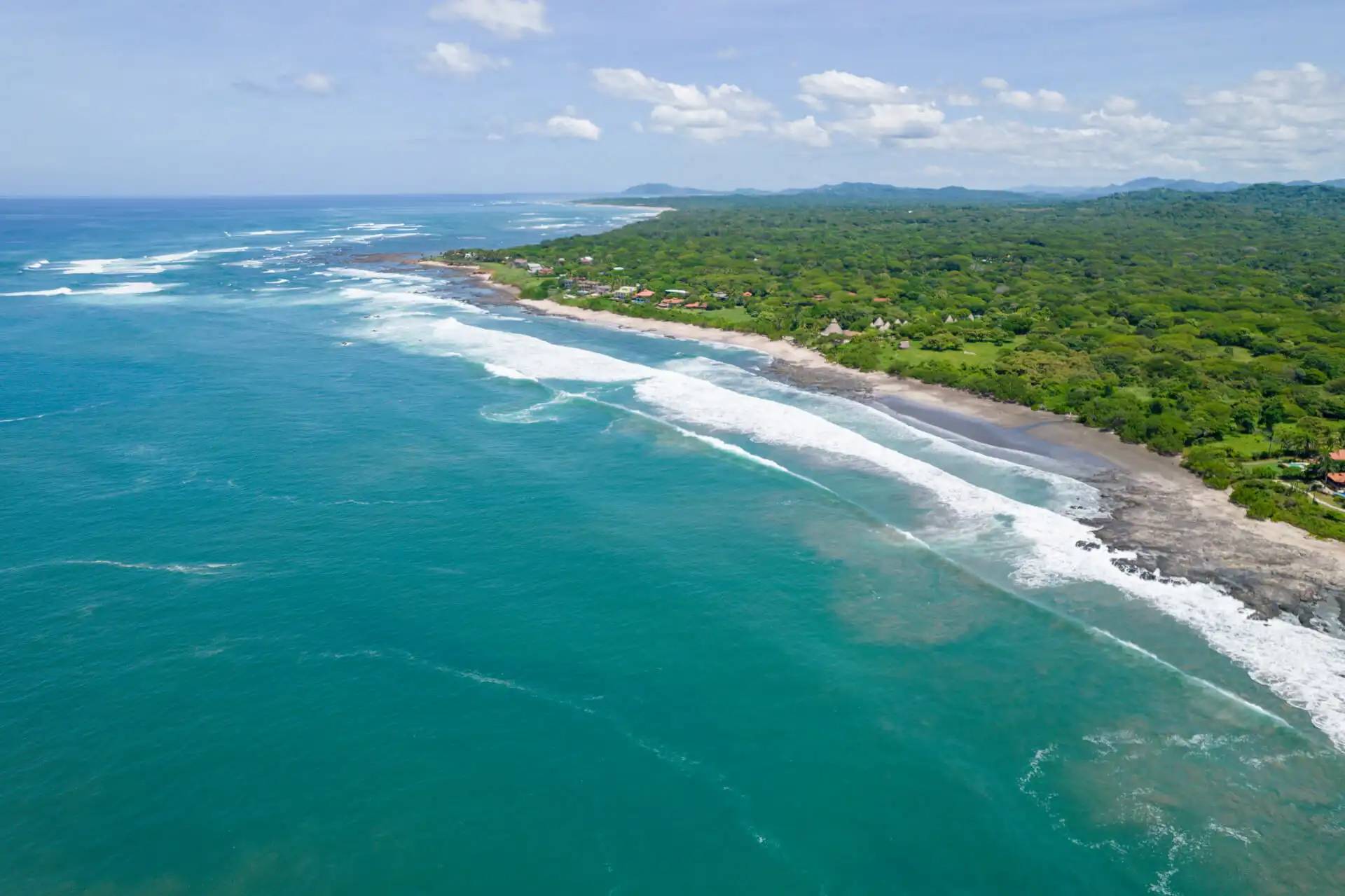
This is exactly the gap Black Coast Estates was built to fill. We chose a property that's reachable within 90 minutes of an international airport, but still requires you to drive a dirt beach road for the last 15 minutes. That last stretch is a filter. It's just enough friction to keep the casual day-tripper crowd up in Tamarindo, and the overflow heading south rarely makes it past Avellanas, the massive beach that sits between us and them.
What's left is a smaller beach with a great surf break, warm water year-round, and multiple remote breaks within walking distance of the estates. If you want space to catch a wave, you'll always be able to find it here.
And there's something you can't really put a number on: paddling out, looking back at the shore, and seeing jungle instead of hotels. That's what we were going for when we built this.
Why I'm Building This
I grew up skiing in Utah. I never surfed a day in my life. And now I've bet everything on a luxury housing project in a boutique surf town.
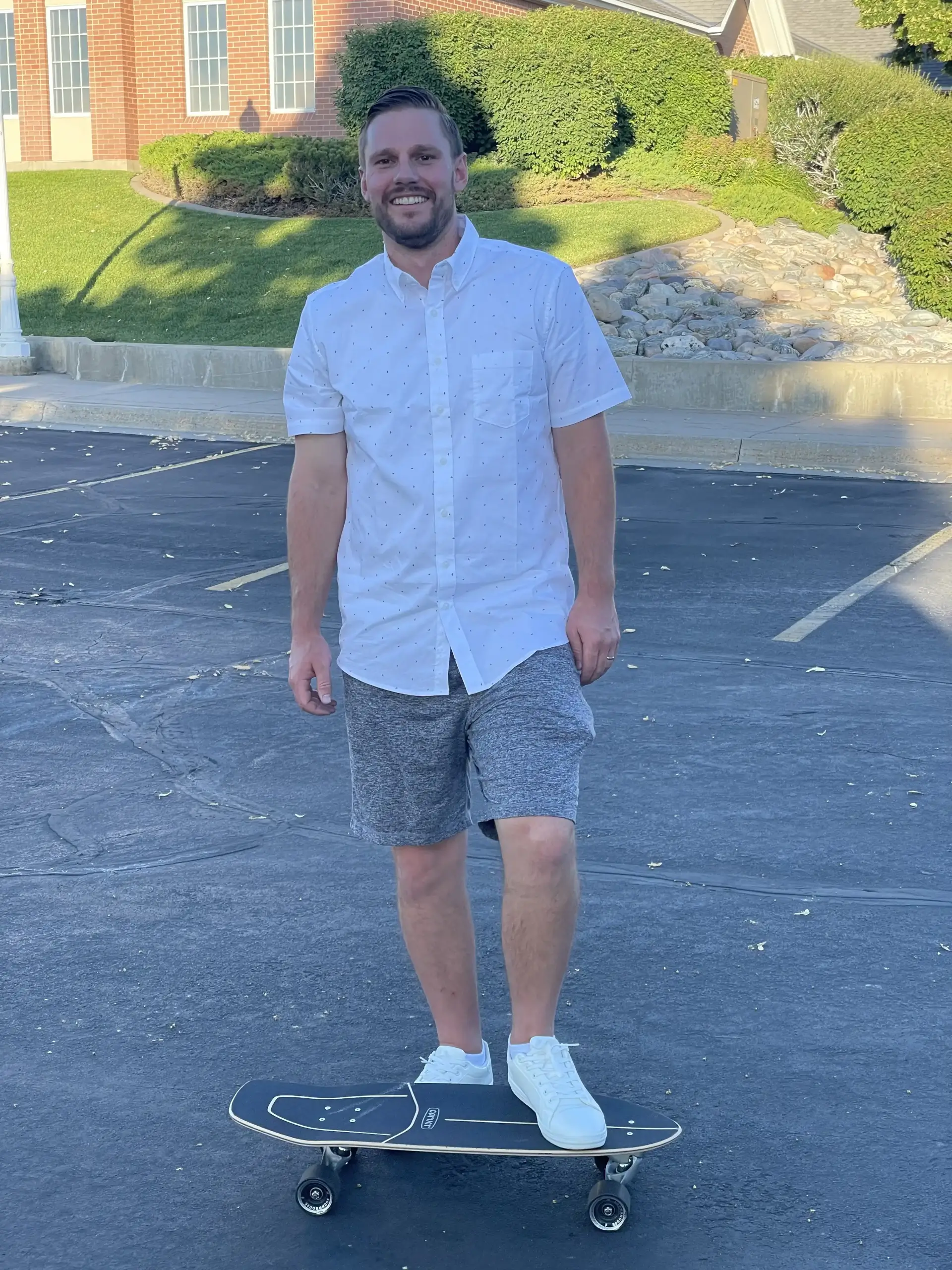
I started boogie boarding five years ago and absolutely love it. I bought a surf skate to try to learn at home, but after eating pavement about twenty times I realized I'm probably a bit old for that approach. So my plan is to keep one of the homes in this project. That way my kids can grow up surfing, and I can learn beside them.
It's hard to explain unless you've felt it, but being in warm ocean water at 7 AM is hard to beat. Doing it without paddling into a crowd of 40 other people is what makes a place worth building.

