Article


Introduction
The dream of a second home has never been more attainable or more flexible.
For generations, owning a second home has been one of life's great aspirations. A place where your family gathers every summer. A place where your kids learn to swim and your grandkids take their first steps on the beach. A place where your family creates decades of memories.
But let's be honest: for most people, traditional second homeownership comes with a painful trade-off. You pay for an entire home, the mortgage, the taxes, the maintenance, the surprise repairs, for a property you might visit only a few weeks a year. It's a lot to carry for a little time.
What if there were a smarter way to own? A way to get all the magic of a second home, the traditions, the convenience, the investment upside, without shouldering the full burden alone? That better way is here, and it's transforming how people think about second homeownership.
The Undeniable Benefits of Owning a Second Home
Before we get to what's changing, it's worth remembering why second homes are so appealing in the first place. The benefits are real, deeply personal, and often financial.
A Place for Family Traditions
There's something irreplaceable about returning to the same home year after year. Your kids know which bedroom is theirs. Your grandkids find the board games in the same closet. The holiday barbecue happens overlooking the same favorite beach. These aren't just vacations, they're traditions that become the fabric of your family's story. A second home gives you a permanent stage for those moments in a way that no hotel or rental ever could.
Convenience and Comfort on Your Terms
When you own, your gear is already there. The surfboards are lined up in the garage. The boogie boards and beach chairs are ready to grab. You don't have to pack your car to the roof or ship boxes ahead of time. You simply show up and start your vacation. That kind of convenience, having your belongings stored, your space set up, and everything ready to go, is a luxury that renters never get.
Consistency You Can Count On
Anyone who has booked an Airbnb knows the gamble: the photos looked great, but the mattress was terrible, the Wi-Fi didn't work, or the "cozy cottage" turned out to be next to a highway. When you own your second home, you control the quality of every stay. You know the neighborhood. There are no surprises, just the consistent, comfortable experience you and your family deserve.
Real Economic Upside
A second home isn't just an emotional investment, it's a financial one. Real estate has historically appreciated over time, meaning your vacation home can grow in value while you enjoy it. And when you're not using it, there's an opportunity to generate rental income that helps offset your costs.
A Personal Retreat from the Everyday
Beyond the practical benefits, a second home offers something harder to quantify: a place to decompress. A change of scenery that's yours, not a stranger's listing. Whether it's a mountain cabin where you unplug for the weekend or a beach house where you spend the holidays, owning that escape gives you a mental anchor, a place you can always go to recharge. In an era of constant connectivity and burnout, that matters more than ever.
Deeper Roots in a Community You Love
When you visit the same place repeatedly, you become part of the community. You have a favorite restaurant where they know your order. Your kids have friends down the street. You know the best trails, the quietest beaches, the farmer's market on Saturday mornings. Ownership turns a destination into a second neighborhood, and that sense of belonging is something a rotating cast of vacation rentals can never provide.

The Hard Truth: The Downsides of Traditional Second Homeownership
For all its appeal, traditional second homeownership comes with a set of challenges that are difficult to ignore, and for many families, these downsides ultimately tip the scales.
Paying for 12 Months, Using It for Two
This is the math that haunts every second homeowner. The average family uses their vacation home for four to six weeks a year, yet they pay the mortgage, property taxes, insurance, and utilities for all twelve months. That means you're carrying the full financial weight of a home that sits empty roughly 80 to 90 percent of the time. For many, that's hundreds of thousands of dollars tied up in a property that's dark most nights of the year.
2nd Home, 2nd Job
A home doesn't stop needing attention just because you're not there. Pipes can freeze. Roofs leak. HVAC systems fail in the middle of August, right before your family arrives. Managing repairs and routine maintenance from hundreds of miles away is stressful and expensive. You either need a trusted local contact or a property management company, both of which add cost and complexity. The dream of relaxation starts to feel a lot like a second job.
The Rental Trade-Off
To offset costs, many owners turn to short-term rentals. But renting your home to strangers introduces a whole new set of worries. Will they treat your home with care? What happens when something breaks mid-stay? Who handles the cleaning, the linens, the guest communications? Suddenly, your peaceful getaway is a small hospitality business, one with demanding guests, mixed reviews, and regulatory headaches as cities crack down on short-term rentals. The income helps, but it often comes at a cost to your peace of mind.
The Evolution of Homeownership: Enter Co-Ownership
For decades, buying a second home meant one thing: you buy the whole house, you carry the whole cost. It was all or nothing. But just as ride-sharing transformed transportation and streaming disrupted media, the way people think about owning real estate is undergoing a fundamental shift.
A growing number of buyers are discovering co-ownership, a model that lets you purchase a fraction of a luxury home rather than the entire property. The concept is elegantly simple: instead of one family bearing all the costs for a home they use a few weeks a year, a small group of vetted co-owners share the purchase price, ongoing expenses, and usage of the property. Each owner holds real equity in the home through a property-specific LLC, and everyone benefits from professional management, maintenance, and scheduling.
This isn't a timeshare. There are no point systems, no blackout dates, and no depreciating assets. Co-ownership means you own a real piece of real estate with a deed, equity appreciation, and the ability to sell your share on your terms. The difference is that you're only paying for the portion of the home you'll actually use.
Right-Size Your Ownership
One of the most powerful aspects of co-ownership is flexibility. Want six weeks a year at a beach house? Buy a one-eighth share. Want a full quarter of the year in the mountains? Buy a larger stake. You choose the amount of ownership that matches your lifestyle, and you pay proportionally. This means a family that would have been priced out of a $3 million lakefront property can now own a share for a fraction of the cost and still enjoy the traditions, the convenience, and the equity that come with ownership.
Access to Homes You Couldn't Otherwise Afford
Co-ownership doesn't just make second homes more affordable, it makes better homes accessible. Instead of compromising on a modest cabin because that's what your budget allows, co-ownership lets you buy into a fully designed, professionally managed luxury property in a prime location. You get the home you actually dreamed about, not the one you had to settle for.
Technology Makes It Seamless
The reason co-ownership is taking off now, and not twenty years ago, is technology. Modern platforms use sophisticated scheduling algorithms, mobile apps, and integrated property management systems to make sharing a home with a few other owners genuinely effortless. Owners can book their stays, manage expenses, communicate with concierge teams, and track their investment, all from their phone. The friction that once made shared ownership impractical has been engineered away.
The Pioneers Leading the Way
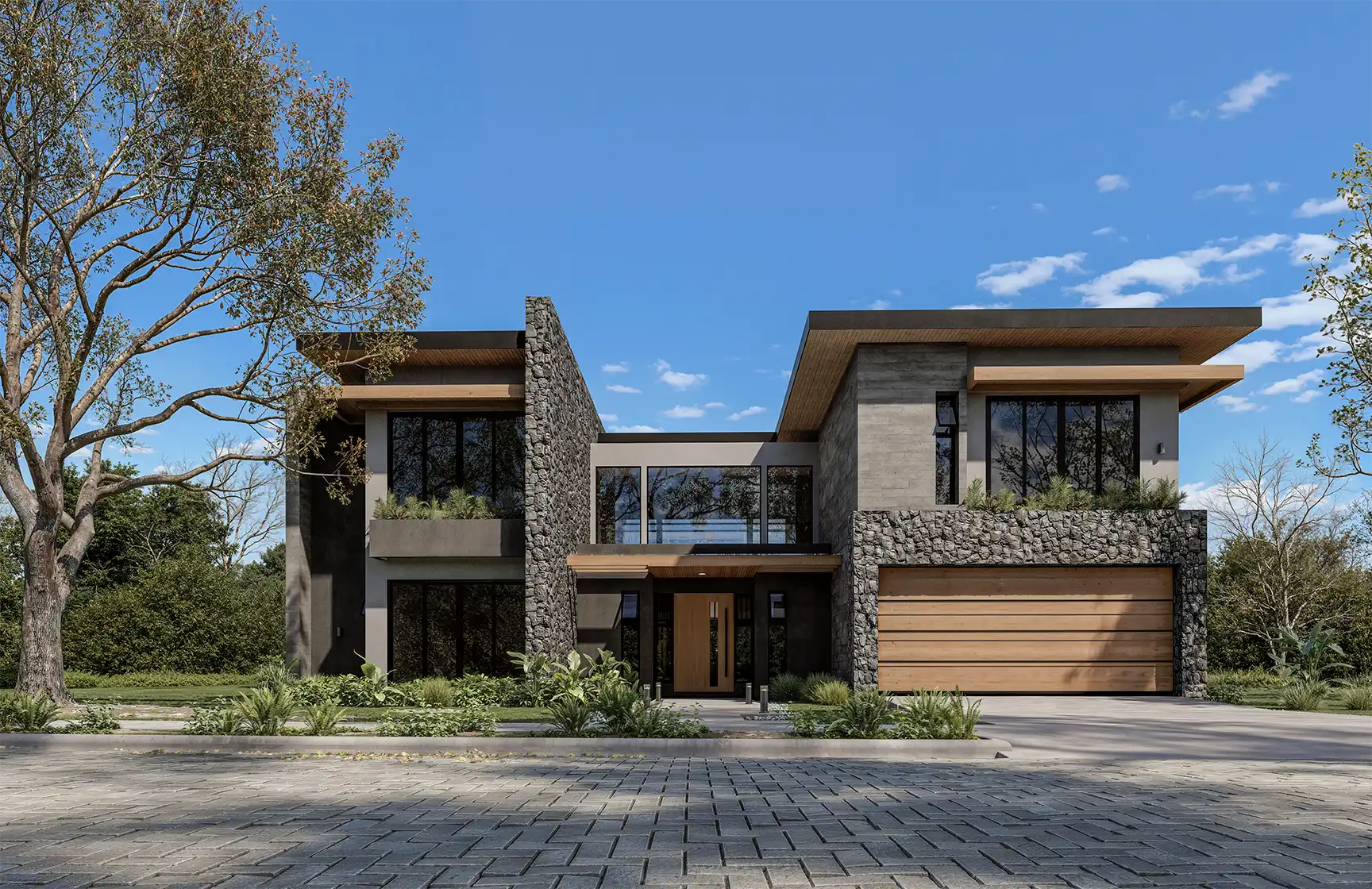
Several companies are at the forefront of this movement, building the platforms and infrastructure that make modern co-ownership possible.
Pacaso
Founded in 2020 by former Zillow executives Austin Allison and Spencer Rascoff, Pacaso is arguably the most prominent name in the co-ownership space. The company curates luxury properties in over 40 destinations worldwide, from Napa Valley and Aspen to London and Paris, and allows buyers to purchase shares ranging from one-eighth to one-half of a property. Pacaso handles everything: interior design, property management, scheduling, maintenance, and even resale. A recent national survey found that 80 percent of U.S. adults view professionally managed co-ownership as attractive, signaling that this model is rapidly moving into the mainstream. Pacaso has also pioneered the first purpose-built 30-year mortgage for co-ownership, further removing barriers to entry.
Ember
Ember, a company based in Salt Lake City, takes a similar approach, focusing on making luxury vacation homes accessible to a broader audience. Founded by CEO Kurt Avarell, whose inspiration came from years of co-owning a houseboat on Lake Powell with friends and family, Ember builds or acquires high-end vacation homes in popular destinations and sells them in one-eighth shares through property-specific LLCs. Each owner gets up to 45 nights per year of exclusive use, and Ember's proprietary app uses a scheduling algorithm to ensure equitable access among co-owners. With in-market concierge teams handling every detail, from maintenance and cleaning to local recommendations, Ember strips away the burdens of ownership and lets families focus on what matters: the experience.
And We're Building for This Future
We've been watching this evolution closely, and we're not just watching. We've built an app designed specifically for the co-ownership experience. Our platform makes it easy for co-owners to coordinate schedules, manage shared expenses, communicate seamlessly, and keep their property running smoothly, all in one place. Whether you're working with a company like Pacaso or Ember, or arranging a co-ownership agreement among friends and family, our app is the connective tissue that makes shared ownership feel effortless. Because the future of second homeownership isn't just about buying differently, it's about living together, better.
The Dream, Reimagined
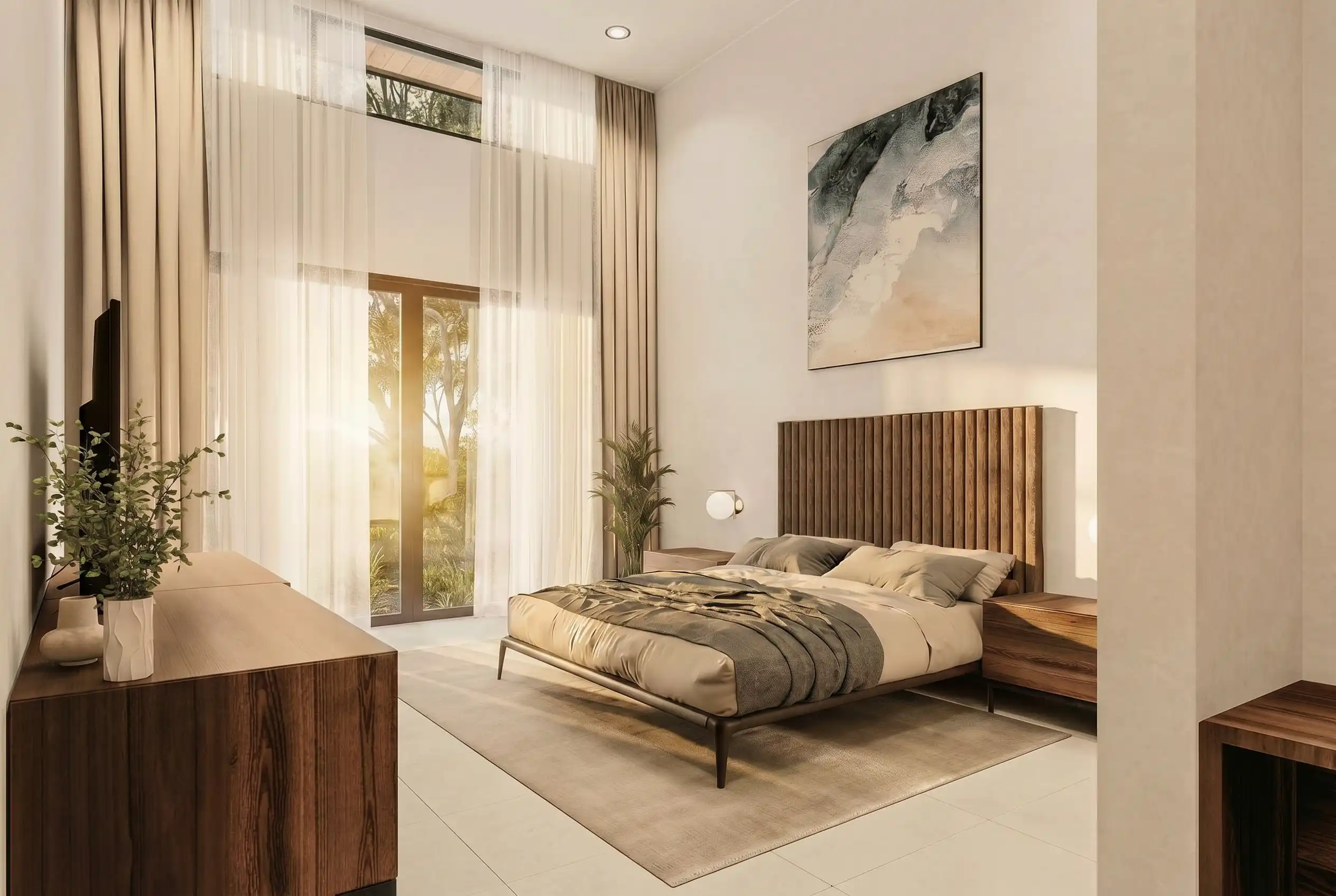
The desire for a second home hasn't changed. Families still want a place to gather, traditions to build, and an escape that feels like theirs. What has changed is the math, and the expectation that you have to shoulder it all alone.
Co-ownership is not a compromise. It's an upgrade. You get the same traditions, the same stored kayaks, the same consistent quality, plus real equity in a luxury property, professional management, and a price tag that actually makes sense for how you use it. You're not giving anything up. You're just not paying for what you were never using.
The companies pioneering this space, and the technology enabling it, are proving that the best way to own a second home is to own it smarter. And for millions of families, that better way starts now.

